
In the journey towards achieving a healthier lifestyle, monitoring weight loss progress is crucial for staying motivated and ensuring effective results. While stepping on a scale can provide a basic understanding of weight changes, it often falls short of offering a comprehensive picture of your body composition. This is where a body fat calculator becomes an indispensable tool. By accurately measuring the percentage of fat in your body, a body fat calculator provides deeper insights into your fitness journey, enabling you to tailor your diet and exercise regimen more effectively. In this article, we will guide you through the process of using a body fat calculator to monitor your weight loss progress, ensuring you have the knowledge and tools to achieve your health goals with precision and confidence.
Understanding the Role of Body Fat Calculators in Weight Loss
In the journey of weight loss, understanding the dynamics of body composition is crucial. A body fat calculator serves as an invaluable tool in this process, offering insights that a simple scale cannot. While a traditional scale only reflects your overall weight, a body fat calculator provides a more nuanced view by estimating the percentage of fat in your body. This information is essential because two individuals of the same weight may have vastly different health profiles depending on their body fat percentages.
Using a body fat calculator, you can set more precise health goals and track changes in your body composition over time. Here are some key benefits:
- Personalized Insights: Tailor your diet and exercise routines based on your body fat percentage, rather than just your weight.
- Comprehensive Tracking: Monitor how your body fat percentage decreases, even when the scale doesn’t show a significant drop in weight.
- Motivation Boost: Witnessing a reduction in body fat can provide a psychological boost, encouraging continued adherence to your weight loss plan.
By incorporating this tool into your fitness regime, you can ensure a healthier and more informed approach to achieving your weight loss goals.

Accurate Measurement Techniques for Reliable Results
When it comes to monitoring your weight loss journey, precision is key. Utilizing a body fat calculator effectively requires an understanding of several important measurement techniques to ensure the results are trustworthy. Consistency in your measurement process is vital. Always measure under similar conditions; for example, perform measurements at the same time of day, ideally in the morning after waking up, to avoid fluctuations caused by food and water intake.
- Use the Right Tools: Invest in a high-quality digital body fat caliper or a smart scale with body fat analysis capabilities.
- Follow Proper Techniques: When using calipers, measure at specific body sites like the abdomen, thigh, and triceps, ensuring the skinfold is pinched correctly for accurate readings.
- Track Your Progress: Record your measurements regularly and use an app or spreadsheet to visualize trends over time.
By adhering to these practices, you enhance the reliability of your body fat calculations, providing a more accurate picture of your weight loss progress. Precision in measurement not only aids in setting realistic goals but also boosts motivation by highlighting tangible improvements.
Interpreting Body Fat Calculator Readings to Optimize Your Plan
Understanding the readings from a body fat calculator is crucial for tailoring your weight loss plan effectively. These readings typically include metrics such as body fat percentage, lean body mass, and sometimes visceral fat levels. Each of these figures plays a significant role in how you approach your fitness journey. For instance, a high body fat percentage might indicate a need to focus on calorie deficit and cardiovascular exercises, while a lower lean body mass could suggest incorporating strength training to build muscle.
- Body Fat Percentage: Use this as a benchmark to gauge overall health and fitness levels. Aiming for a healthy range suitable for your age and gender is key.
- Lean Body Mass: This figure helps in understanding how much of your weight is composed of muscles, bones, and organs. A higher lean body mass can be beneficial for a faster metabolism.
- Visceral Fat Levels: This is the fat surrounding your internal organs. Keeping this low is important for reducing risks associated with metabolic diseases.
By regularly monitoring these metrics, you can adjust your diet, exercise, and lifestyle habits to ensure you are on the right track. Remember, consistency in tracking and adjusting based on these readings will optimize your weight loss strategy.
Integrating Body Fat Data with Holistic Health Metrics
Understanding the nuances of your body composition is crucial for a well-rounded approach to weight management. When you integrate body fat data with other holistic health metrics, you gain a comprehensive picture of your overall health. This integration allows for a more personalized and effective strategy to achieve your wellness goals. Consider incorporating the following metrics into your analysis:
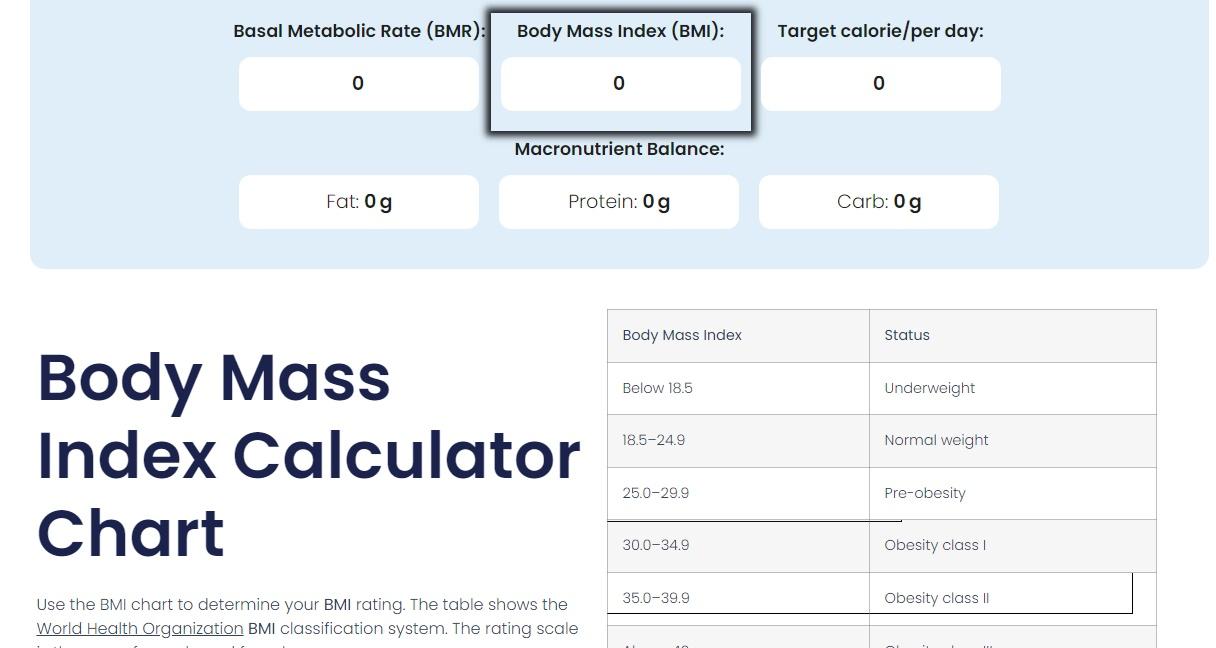
- Basal Metabolic Rate (BMR): Knowing your BMR helps you understand how many calories your body needs at rest, allowing you to tailor your diet more precisely.
- Muscle Mass: Monitoring changes in muscle mass can help differentiate between weight loss due to fat versus muscle, ensuring you maintain muscle integrity.
- Hydration Levels: Proper hydration is vital for metabolism and energy levels, and can influence the accuracy of body fat measurements.
- Visceral Fat Rating: This metric provides insights into fat stored around your organs, which is crucial for assessing potential health risks.
By considering these additional health indicators, you can create a more detailed and accurate map of your health journey, allowing for targeted adjustments to your weight loss strategy.

