
Monitoring changes in body water percentage is a critical aspect of understanding overall health and optimizing physical performance. As the body is composed of a significant amount of water, fluctuations in its percentage can provide insights into hydration levels, muscle mass, and even metabolic efficiency. One effective tool for tracking these changes is the body fat calculator, a device commonly used to assess body composition. In this article, we will explore how to effectively use body fat calculators to monitor variations in body water percentage, offering step-by-step guidance and expert tips to ensure accurate and meaningful results. Whether you’re an athlete aiming to enhance performance, or simply someone striving for better health, mastering this technique is an invaluable skill.
Understanding Body Water Percentage and Its Importance
Body water percentage is a critical component of overall health, influencing everything from physical performance to cognitive function. Understanding this metric helps you maintain optimal hydration levels, which are vital for metabolic processes and temperature regulation. When using body fat calculators, it’s essential to pay attention to this value, as it provides insights into your body’s water retention and distribution.
Here are some key reasons why monitoring body water percentage is crucial:
- Hydration Status: A healthy body water percentage indicates proper hydration, which is crucial for maintaining energy levels and supporting vital organ functions.
- Weight Management: Fluctuations in water weight can affect overall body weight. Monitoring these changes can help you distinguish between actual weight loss and temporary shifts due to water retention.
- Performance and Recovery: Adequate hydration improves physical performance and speeds up recovery by aiding in nutrient transport and waste removal.
- Health Indicators: Consistent deviations in body water percentage can signal potential health issues, such as dehydration or fluid retention, prompting timely medical attention.
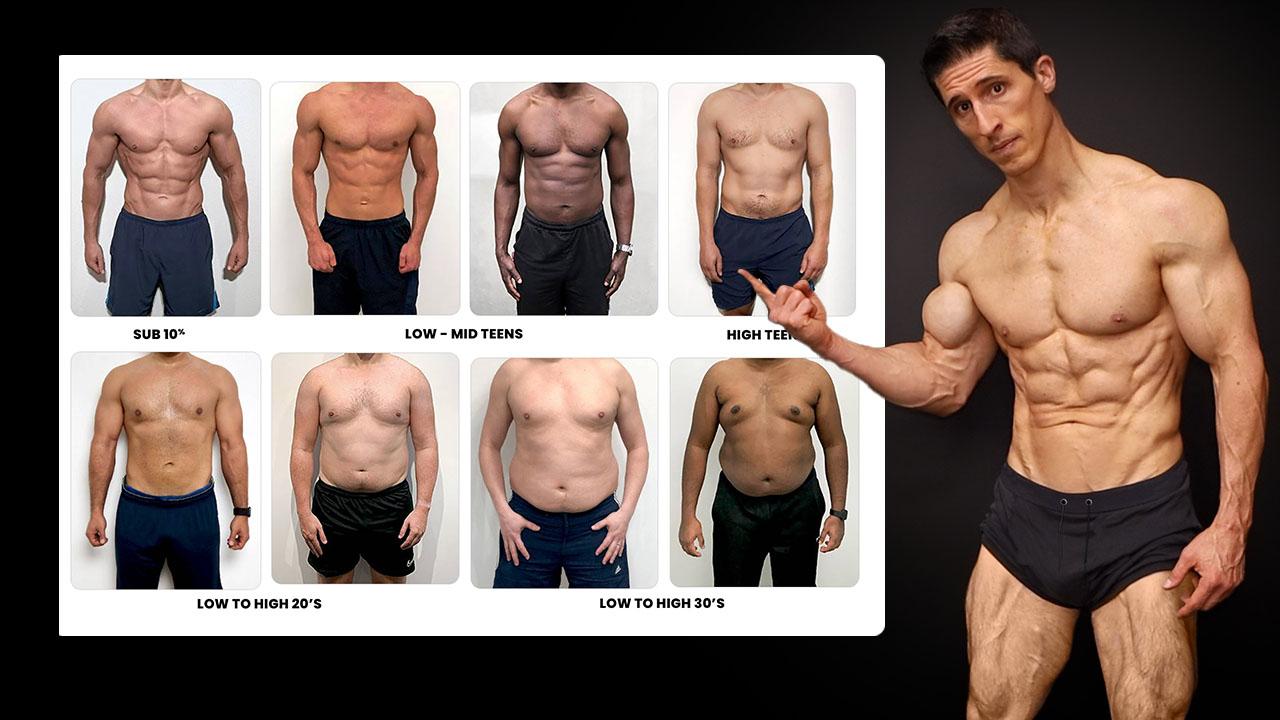
Choosing the Right Body Fat Calculator for Accurate Measurements
When selecting a body fat calculator to effectively track changes in body water percentage, it’s crucial to consider several factors that ensure precision and reliability. Accuracy is paramount; opt for calculators that utilize advanced technologies such as Bioelectrical Impedance Analysis (BIA) or Dual-Energy X-ray Absorptiometry (DEXA). These methods offer detailed insights into body composition, including water content, fat mass, and lean muscle. User-friendliness is another important consideration. Look for devices that offer intuitive interfaces, easy-to-read displays, and seamless integration with health tracking apps for comprehensive monitoring.
- Compatibility: Ensure the calculator is compatible with your existing devices and health apps.
- Reputation: Check reviews and ratings from credible sources to gauge the reliability of the calculator.
- Features: Look for additional features like progress tracking, goal setting, and personalized recommendations.
- Cost: Evaluate the cost against the features offered to ensure you’re getting value for your investment.
By carefully evaluating these aspects, you can select a body fat calculator that not only helps in monitoring body water percentage but also contributes to a more informed and holistic approach to health management.

Step-by-Step Guide to Monitoring Body Water Changes
Monitoring your body water percentage is essential for maintaining optimal health and performance. With the help of body fat calculators, you can easily track these changes over time. Here’s how to effectively use these tools to keep an eye on your hydration levels:
- Choose a Reliable Calculator: Opt for a body fat calculator that includes a body water percentage feature. Ensure it is from a reputable brand and has good user reviews.
- Consistency is Key: Measure at the same time each day, preferably in the morning before eating or drinking, to get the most accurate readings.
- Track Regularly: Keep a log of your readings to identify patterns or changes. This can be done using a dedicated app or a simple spreadsheet.
- Adjust for Variables: Be aware of factors like exercise, diet, and hydration that can affect your readings. Adjust your routine accordingly to get consistent data.
By following these steps, you can ensure that you are accurately monitoring changes in your body water percentage, helping you to maintain a healthy balance.

Interpreting Data and Making Informed Health Decisions
When utilizing body fat calculators to track your body water percentage, it’s essential to understand how to interpret the data for effective health decisions. Body water percentage reflects the amount of fluid in your body compared to total body weight, which is crucial for maintaining homeostasis. Most body fat calculators, especially those using bioelectrical impedance analysis, provide estimates that can guide you in understanding hydration levels. However, the accuracy can vary based on several factors such as device quality, user consistency, and individual physiological differences. It’s important to track changes over time rather than focusing on single measurements.
- Consistency: Measure at the same time each day, preferably in the morning before eating or drinking.
- Device Calibration: Regularly check if your device needs recalibration for accurate results.
- Hydration Status: Ensure you’re well-hydrated before measurements to prevent false low readings.
- Dietary Influence: Be aware that diet, especially sodium intake, can affect water retention and skew results.
- Consultation: Use the data as a guide but consult with a healthcare professional for a comprehensive understanding.
By understanding these factors and maintaining a consistent monitoring routine, you can use body fat calculators not just to track changes, but to make informed decisions about your health and hydration status. Remember, these tools are a part of a broader health strategy and should be used alongside other health metrics and professional advice.

