
In today’s fast-paced world, managing caloric intake often takes a backseat to our demanding schedules. Yet, maintaining a balanced diet is crucial for sustaining energy, enhancing productivity, and promoting overall well-being. This article delves into the best practices for effectively managing your caloric intake, even when time is not on your side. With a confident approach, we’ll explore practical strategies and actionable tips that seamlessly integrate into your busy lifestyle, ensuring you remain in control of your nutritional goals without compromising your daily commitments. Whether you’re juggling work, family, or personal pursuits, these insights will empower you to make informed dietary choices that align with your health objectives.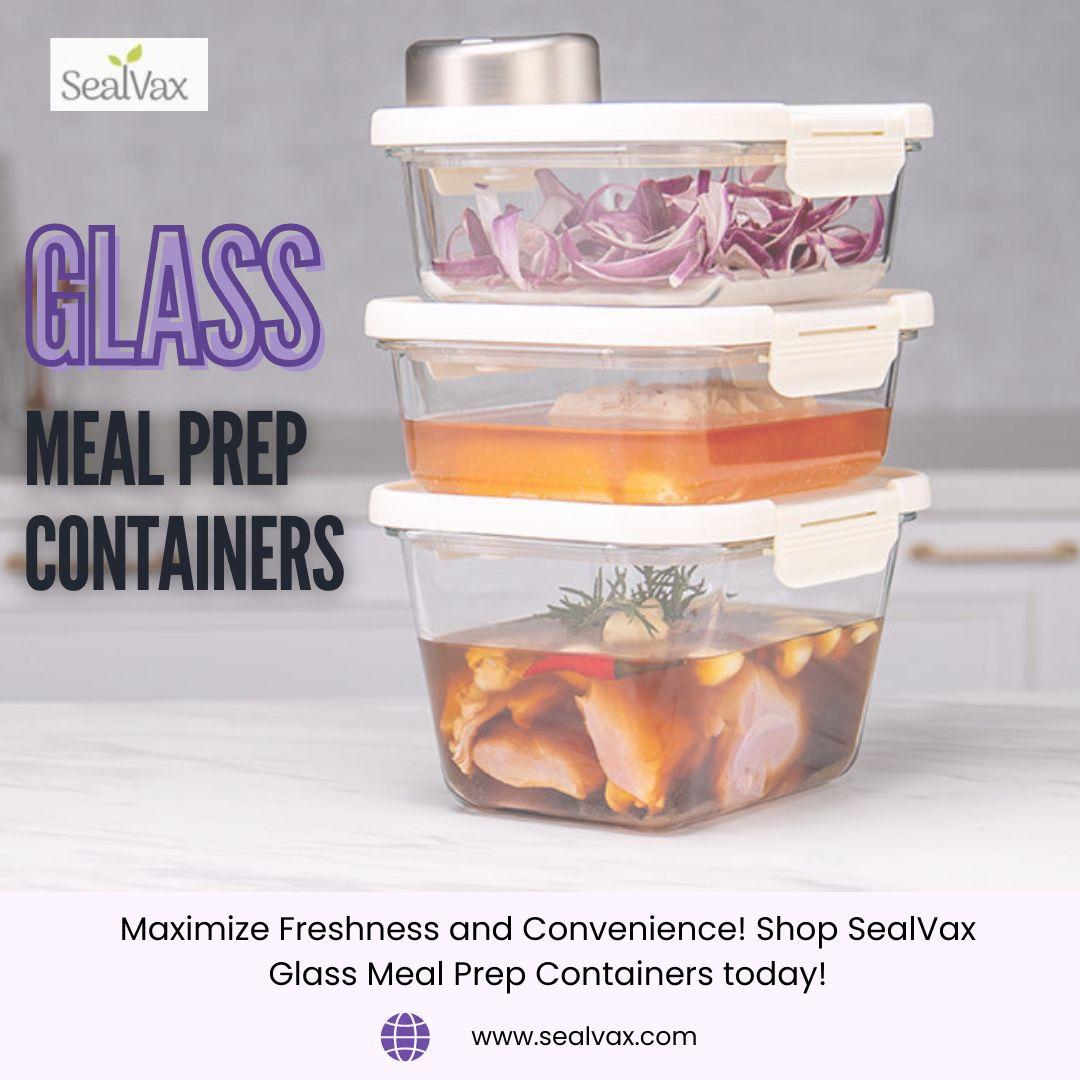
Mastering Meal Prep for Time Efficiency
Incorporating meal prep into your routine is a game-changer for maintaining caloric intake without compromising your busy schedule. The key is to create a strategic plan that aligns with your dietary goals. Begin by planning your meals for the week ahead. This not only saves time but also ensures you stick to your nutritional targets. Consider these best practices:
- Batch Cooking: Prepare large quantities of staples like grains, proteins, and roasted vegetables that can be mixed and matched throughout the week.
- Portion Control: Use containers to divide meals into appropriate serving sizes, preventing overeating and making calorie tracking straightforward.
- Ingredient Rotation: Keep meals exciting by rotating core ingredients with different spices and sauces, maintaining both variety and nutrition.
Moreover, leveraging technology can streamline the process. Use apps to track your caloric intake and schedule reminders for prepping sessions. By setting aside a dedicated time each week for meal preparation, you’ll ensure that healthy eating remains a priority, even amidst the hustle and bustle of daily life.
Strategic Snacking to Curb Unwanted Cravings
When navigating a hectic lifestyle, strategic snacking can be your ally in maintaining energy levels and managing caloric intake effectively. Choosing snacks wisely can help you avoid the pitfalls of mindless eating and satisfy those sudden cravings without derailing your nutritional goals. Here are some tips to make snacking work for you:
- Prioritize Protein: Opt for protein-rich snacks like Greek yogurt, nuts, or a boiled egg. These options not only keep you full longer but also support muscle repair and growth.
- Go for Fiber: Foods high in fiber, such as fruits, vegetables, and whole grains, can help curb hunger and improve digestion.
- Portion Control: Pre-portion snacks into small containers to prevent overeating and ensure you’re consuming just the right amount.
- Hydrate: Sometimes what feels like hunger is actually thirst. Keep a water bottle handy to stay hydrated and potentially reduce unnecessary snacking.
- Plan Ahead: Prepare snacks in advance to avoid reaching for unhealthy options when time is tight.
Incorporating these strategies into your daily routine can transform snacking from a guilty pleasure into a thoughtful component of your diet. With these practices, you’ll be better equipped to tackle your busy schedule while maintaining your health goals.
Optimizing Nutrient-Dense Choices on the Go
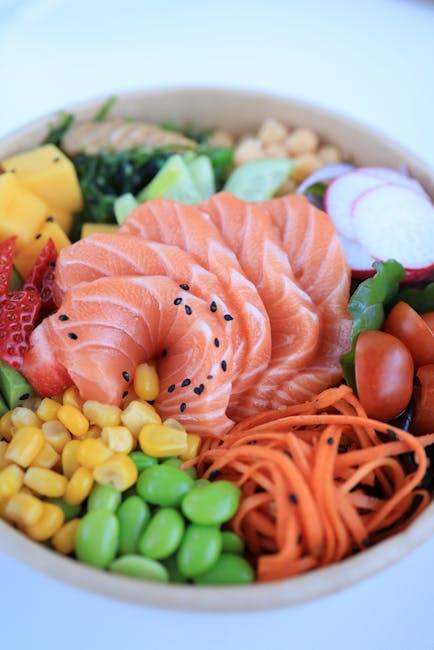
Incorporating nutrient-dense foods into your hectic lifestyle doesn’t have to be a daunting task. By focusing on whole foods that provide maximum nutrition with minimal calories, you can keep your energy levels up and your mind sharp. Start by prioritizing fresh fruits and vegetables, which are naturally low in calories but high in vitamins, minerals, and fiber. Consider prepping a mix of colorful veggies and storing them in the fridge for easy snacking or quick meals.
- Whole Grains: Opt for quinoa, brown rice, or whole-grain bread instead of their refined counterparts. These options are rich in fiber, helping you feel full longer.
- Lean Proteins: Keep a stash of lean proteins like grilled chicken, tofu, or legumes on hand. They’re not only low in calories but also essential for muscle repair and maintenance.
- Nuts and Seeds: A small handful of almonds, walnuts, or chia seeds can provide a quick energy boost and are packed with healthy fats.
To streamline your choices, use apps or tools to track your intake and set reminders for meals. With a little planning and the right mindset, you can maintain a balanced diet that supports your health goals, no matter how packed your schedule might be.

Leveraging Technology for Calorie Tracking
In today’s fast-paced world, harnessing technology can be a game-changer for effectively tracking your caloric intake. Modern apps and gadgets offer a seamless way to monitor your diet, even on the go. With a few taps, you can log your meals, scan barcodes for nutritional information, and set personalized goals. Many apps also sync with fitness trackers to provide a comprehensive view of your health, integrating data like steps taken and calories burned to offer a holistic perspective. This integration ensures you have a clear understanding of your daily intake and expenditure, helping you make informed decisions about your nutrition.
- Choose user-friendly apps: Opt for applications that offer intuitive interfaces and features like meal suggestions and barcode scanning.
- Set realistic goals: Customize your calorie targets based on your activity level and health objectives, and adjust them as needed.
- Utilize reminders: Leverage push notifications to remind you to log meals and snacks, ensuring consistent tracking.
- Analyze trends: Use app-generated reports to identify patterns in your eating habits and adjust accordingly.
By incorporating these strategies, technology becomes a reliable ally in managing your diet, making it easier to stay on track despite a hectic schedule. Remember, the key is consistency and making the technology work for you, not the other way around.

