
Eating healthy doesn’t have to break the bank. With a little planning and smart choices, you can nourish your body with wholesome, nutritious foods without overspending. In this guide, we’ll walk you through practical strategies and tips for maintaining a balanced diet while keeping your budget intact. From savvy shopping techniques to creative meal planning, you’ll discover how to make the most of your resources, ensuring you and your family enjoy delicious, healthy meals every day. Embrace the challenge with confidence, knowing that eating well on a budget is entirely achievable with the right approach.
Planning Meals with Nutrient-Dense Ingredients
When aiming to eat healthy without breaking the bank, focusing on nutrient-dense ingredients can be a game-changer. These ingredients pack a punch of essential vitamins and minerals, helping you maximize your nutrition while minimizing costs. Whole grains, legumes, and seasonal fruits and vegetables are excellent staples that can transform your meals. Incorporate items like quinoa, brown rice, lentils, and chickpeas as they provide both versatility and nutritional benefits. When shopping for produce, opt for what’s in season as these items are often more affordable and fresher, retaining more nutrients.
- Protein Powerhouses: Eggs, canned fish like tuna or salmon, and tofu offer affordable and nutrient-rich protein options.
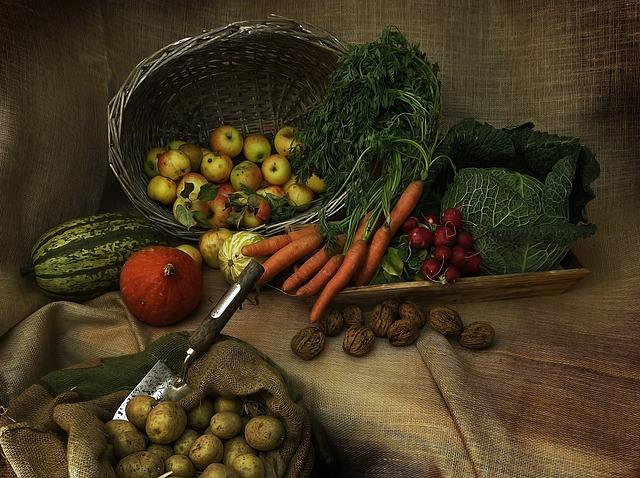
- Budget-Friendly Veggies: Choose carrots, cabbage, and sweet potatoes for their low cost and high nutritional value.
- Flavor Enhancers: Herbs and spices like garlic, ginger, and turmeric not only add flavor but also boost your meals’ health benefits.
With a bit of creativity and planning, these ingredients can be combined in countless ways to create delicious, healthy meals. From hearty stews to vibrant salads, the possibilities are endless. By prioritizing these nutrient-dense foods, you ensure that every meal is not only cost-effective but also packed with the nutrients your body needs.
Smart Shopping Strategies for Affordable Nutrition
- Plan Your Meals: Before heading to the store, take some time to plan your meals for the week. Focus on recipes that use similar ingredients to minimize waste and maximize savings. Consider incorporating seasonal produce, which is often more affordable and fresher. A well-thought-out meal plan helps avoid impulse buys and ensures you’re purchasing only what you need.
- Embrace Bulk Buying: Purchasing items like grains, beans, nuts, and seeds in bulk can significantly cut costs. These staples have a long shelf life and can be used in a variety of dishes, offering both versatility and nutrition. Look for local co-ops or stores that allow you to bring your own containers, which not only saves money but is also environmentally friendly.
Explore Store Brands: Don’t shy away from store brands, which often offer the same quality as name brands at a fraction of the cost. Check the ingredients list to ensure you’re getting the best value without compromising on nutrition. Often, these products are made in the same facilities as their branded counterparts, providing similar taste and nutritional benefits.

Cooking Techniques to Maximize Flavor and Value
Unlocking the full potential of your ingredients can transform simple meals into culinary delights while keeping costs in check. Embrace batch cooking by preparing large quantities of versatile staples like grains, beans, or roasted vegetables. This not only saves time but also allows for creative meal variations throughout the week. Caramelization is your secret weapon—whether you’re sautéing onions or roasting carrots, the Maillard reaction enhances flavors without extra expenses. Incorporate acidic elements such as lemon juice or vinegar to brighten dishes, adding complexity and depth without adding calories.
- Blanching and Shocking: Preserve the vibrant color and nutrients of vegetables by briefly boiling and then plunging them into ice water.
- Infusing: Elevate your oils or vinegars with herbs and spices to enhance dishes with minimal effort.
- Layering Flavors: Build complexity by adding ingredients in stages, allowing each to develop and meld with others.
Utilize these techniques to not only maximize flavor but also stretch your grocery budget further, proving that healthy eating doesn’t have to be expensive.

Utilizing Seasonal and Local Produce for Cost Savings
One of the most effective strategies for maintaining a healthy diet on a budget is to focus on seasonal and local produce. By purchasing fruits and vegetables that are in season, you not only enjoy peak flavor and nutritional value but also save money. Seasonal produce is abundant and, therefore, often less expensive due to lower transportation and storage costs. Embrace local farmers’ markets or community-supported agriculture (CSA) programs to further reduce expenses and support your local economy.
- Visit Farmers’ Markets: Local markets offer fresh, in-season produce at competitive prices. Build relationships with vendors to gain insights into the best deals.
- Join a CSA: Community-supported agriculture programs provide a weekly box of fresh produce directly from a local farm. This often comes at a lower cost than purchasing the same items individually from a grocery store.
- Plan Meals Around Seasonal Produce: Designing your meals based on what’s currently in season can lead to significant savings. Use resources like seasonal produce guides to plan your grocery shopping.
- Preserve Excess Produce: If you find a great deal, consider preserving extra produce through canning, freezing, or drying to enjoy it throughout the year.
By incorporating these practices into your routine, you not only cut costs but also enjoy a diverse and nutritious diet. Remember, eating healthy doesn’t have to break the bank when you leverage the bounty of each season.

