
Maintaining high energy levels while adhering to a low-calorie diet can often feel like a balancing act. With the right choices, however, it’s entirely possible to sustain vitality without exceeding calorie limits. In this article, we delve into the best foods that offer the essential nutrients and sustained energy you need, all while keeping your calorie count in check. By understanding how to strategically incorporate these power-packed foods into your diet, you can enjoy enhanced energy levels, improved focus, and overall well-being. Prepare to transform your approach to eating, as we guide you through the top choices for fueling your body efficiently and effectively on a low-calorie regimen.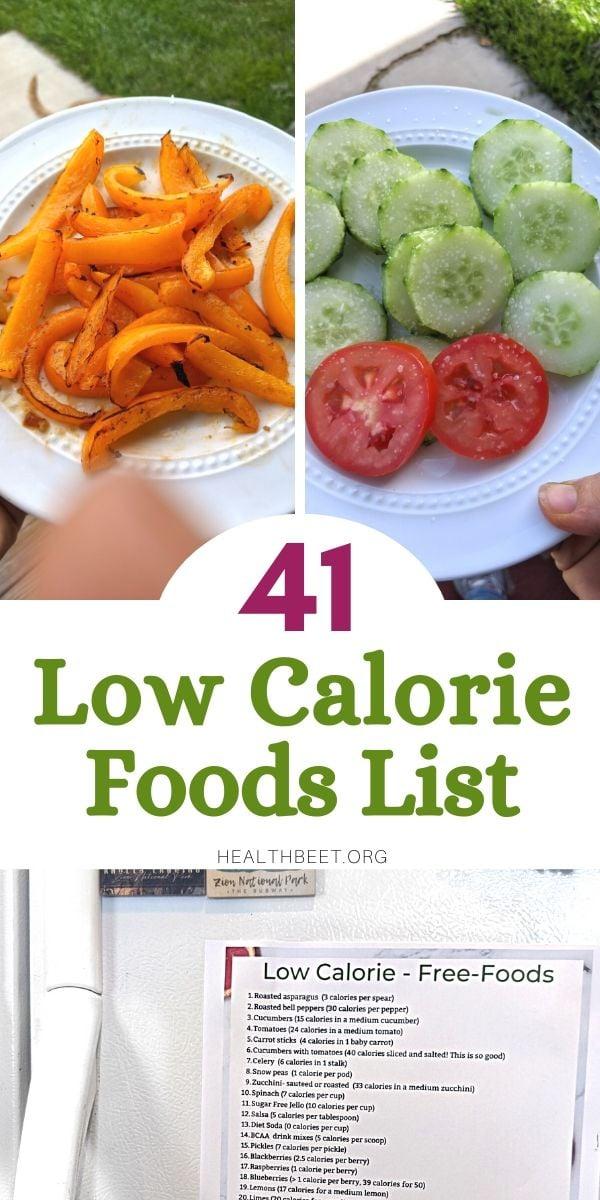
Understanding the Nutritional Needs of a Low-Calorie Diet
Maintaining energy levels while adhering to a low-calorie diet requires a strategic approach to food selection. Incorporating nutrient-dense options can help you stay energized without exceeding your calorie limits. Here are some top choices:
- Leafy Greens: Spinach, kale, and Swiss chard are packed with vitamins, minerals, and fiber, all while being incredibly low in calories. These greens can be easily added to salads, smoothies, or sautéed dishes.
- Lean Proteins: Options like chicken breast, turkey, and tofu provide essential amino acids to keep your muscles fueled and your metabolism active.
- Whole Grains: Quinoa, brown rice, and oats offer complex carbohydrates that release energy slowly, helping you stay full and focused throughout the day.
- Berries: Blueberries, strawberries, and raspberries are not only low in calories but also high in antioxidants, which help combat fatigue and improve brain function.
- Legumes: Lentils, chickpeas, and black beans are excellent sources of plant-based protein and fiber, keeping you satiated and energized for longer periods.
By focusing on these foods, you can ensure that your low-calorie diet supports sustained energy levels, helping you stay productive and active.
Incorporating High-Protein Foods for Sustained Energy
When navigating a low-calorie diet, it’s essential to integrate foods that not only satiate hunger but also sustain energy levels throughout the day. High-protein foods are an excellent choice for this purpose. They are not only filling but also help in maintaining muscle mass and promoting a feeling of fullness. Here are some top protein-rich foods to consider:
- Eggs: Packed with essential amino acids, vitamins, and minerals, eggs are a versatile option. Enjoy them boiled, scrambled, or as part of a veggie-packed omelette.
- Greek Yogurt: With its thick texture and higher protein content compared to regular yogurt, Greek yogurt can be a satisfying snack or breakfast choice.
- Lean Meats: Options like chicken breast and turkey provide a hefty dose of protein without excessive calories. Grilling or baking these meats can enhance their flavor without adding extra fat.
- Legumes: Lentils, chickpeas, and black beans are excellent plant-based protein sources. They can be added to salads, soups, or made into hearty stews.
- Nuts and Seeds: Almonds, chia seeds, and pumpkin seeds are rich in protein and healthy fats. They make for a perfect on-the-go snack or can be sprinkled over salads and yogurt.
Incorporating these foods into your diet can help you maintain energy levels while adhering to your calorie goals. They provide the necessary nutrients to keep you active and focused, making your dietary journey both effective and enjoyable.
Harnessing the Power of Complex Carbohydrates
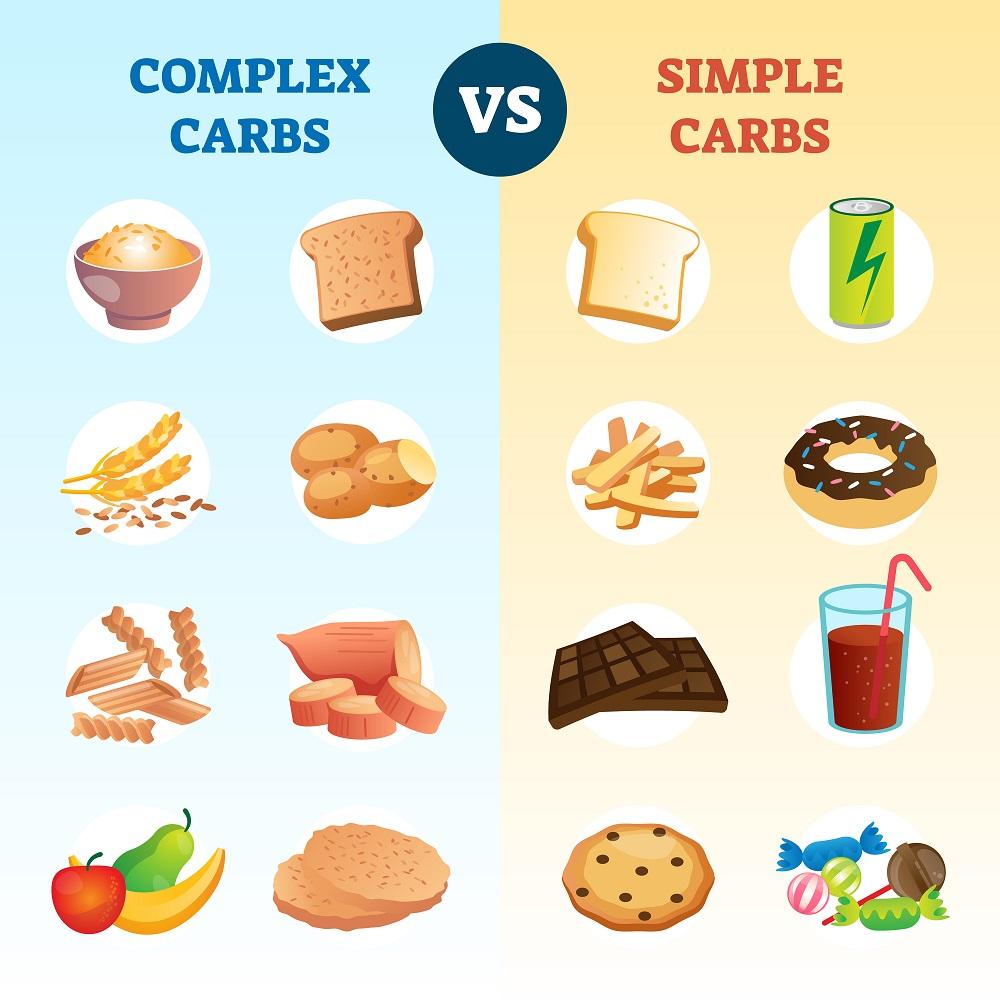
Incorporating complex carbohydrates into your diet is a strategic way to sustain energy while keeping calorie intake in check. These nutrient-dense foods digest slowly, providing a steady release of glucose into the bloodstream, which helps maintain energy levels throughout the day. Opt for whole, unprocessed foods that are rich in fiber and essential nutrients. Some excellent options include:
- Quinoa: This ancient grain is not only high in fiber but also a complete protein, making it a powerhouse for sustained energy.
- Oats: A bowl of oatmeal can be a great start to your day, providing complex carbs and beta-glucan, a type of soluble fiber that can help keep hunger at bay.
- Sweet Potatoes: Packed with vitamins A and C, sweet potatoes offer a satisfying sweetness with a healthy dose of complex carbohydrates.
- Brown Rice: A staple in many diets, brown rice offers more fiber and nutrients than its white counterpart, helping to stabilize blood sugar levels.
- Whole Grain Bread: Look for options with seeds and nuts for an added nutritional boost that can keep you feeling full and energized longer.
These foods are not only beneficial for maintaining energy, but they also contribute to overall health by providing essential vitamins and minerals. When choosing complex carbohydrates, focus on variety and quality to ensure you are getting the most out of your low-calorie diet.

The Role of Healthy Fats in Energy Maintenance
Incorporating healthy fats into a low-calorie diet is crucial for sustaining energy levels throughout the day. Unlike carbohydrates, which can cause energy spikes and crashes, fats provide a more stable and long-lasting energy source. Healthy fats are metabolized slowly, ensuring a steady release of energy. Monounsaturated and polyunsaturated fats are particularly beneficial. They not only help in energy maintenance but also support brain health and hormone production.
- Avocados: Packed with monounsaturated fats, avocados are a creamy addition to any meal, offering both flavor and energy.
- Nuts and seeds: Almonds, walnuts, chia seeds, and flaxseeds are excellent choices, rich in omega-3 and omega-6 fatty acids.
- Olive oil: Use it as a salad dressing or a cooking base to add a dose of healthy fat to your diet.
- Fatty fish: Salmon, mackerel, and sardines provide omega-3 fatty acids, essential for maintaining energy and cognitive function.
- Coconut oil: This versatile oil contains medium-chain triglycerides (MCTs), which are quickly absorbed and utilized by the body for energy.
By focusing on these nutrient-dense sources of healthy fats, you can effectively manage your energy levels while adhering to a low-calorie intake. Remember, balance is key, and these fats should complement a diet rich in vegetables, lean proteins, and whole grains.

