
In today’s fast-paced world, managing calorie intake is a common concern for many individuals striving for a healthier lifestyle. However, the notion of calorie management often conjures up images of deprivation and restrictive dieting, which can lead to unsustainable habits and, ultimately, frustration. The good news is that managing your calories doesn’t have to mean giving up the foods you love or feeling constantly hungry. In this article, we will explore the best strategies for managing calories effectively and sustainably, without the burden of deprivation. By adopting these practical approaches, you can enjoy a balanced diet that supports your health goals while maintaining a positive relationship with food. Get ready to discover how small, mindful changes can make a significant impact on your well-being and set you on the path to a healthier, more fulfilling lifestyle.
Understanding Caloric Needs and Setting Realistic Goals
To effectively manage your calorie intake without feeling deprived, it’s crucial to first grasp your body’s unique caloric needs. These needs are influenced by various factors such as age, gender, weight, activity level, and metabolic rate. By understanding these elements, you can set realistic and personalized goals that support both your health and lifestyle. A good starting point is to calculate your Basal Metabolic Rate (BMR) and Total Daily Energy Expenditure (TDEE). These calculations will provide a baseline for the number of calories your body requires to maintain its current state. From there, you can tailor your intake to support weight loss, maintenance, or gain, depending on your objectives.
When setting these goals, aim for balance and sustainability rather than drastic changes. Consider the following strategies:
- Focus on nutrient density: Choose foods rich in vitamins and minerals over empty-calorie options.
- Incorporate variety: Enjoy a diverse range of foods to prevent boredom and ensure a broad nutrient intake.
- Practice mindful eating: Pay attention to hunger cues and eat slowly to enhance satisfaction.
- Set small, achievable milestones: Break down larger goals into smaller, more manageable steps.
- Stay flexible: Allow room for occasional indulgences without guilt, maintaining a healthy relationship with food.
By aligning your caloric intake with realistic goals and adopting these strategies, you can achieve a healthier lifestyle without feeling deprived.
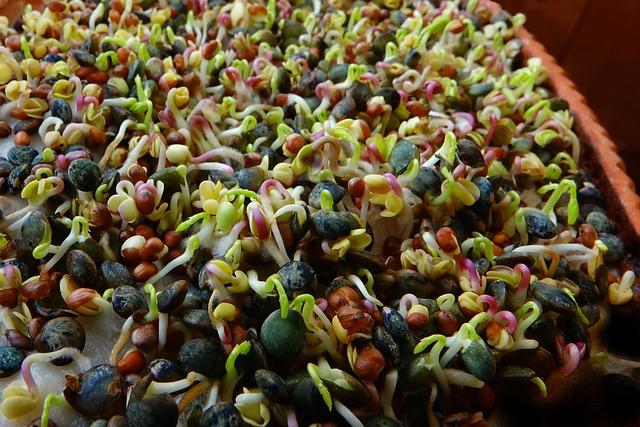
Incorporating Nutrient-Dense Foods for Optimal Satisfaction
Transforming your meals with nutrient-dense foods is an empowering approach to managing calories while maximizing satisfaction. These foods are packed with vitamins, minerals, and other beneficial compounds, offering more nutritional value per calorie. This allows you to enjoy fulfilling meals without feeling deprived. Consider incorporating the following strategies into your dietary routine:
- Prioritize Whole Foods: Opt for whole grains, lean proteins, and a variety of fruits and vegetables. These foods are rich in fiber and essential nutrients, helping you feel fuller for longer periods.
- Embrace Healthy Fats: Include sources of unsaturated fats such as avocados, nuts, and olive oil. These fats not only enhance flavor but also support heart health and satiety.
- Choose Quality over Quantity: Focus on the quality of the calories you consume rather than the quantity. A small portion of nutrient-dense food can be more satisfying than a larger portion of empty-calorie options.
By integrating these nutrient-rich choices into your daily meals, you can enjoy the dual benefits of nourishment and satisfaction, making it easier to manage your caloric intake effectively.

Mastering Portion Control Without Sacrificing Enjoyment
One of the key strategies for managing calories effectively is to become aware of what constitutes a reasonable portion size. This doesn’t mean you have to give up your favorite foods. Instead, focus on adjusting your mindset and habits. Visual cues can be incredibly helpful here. For instance, use your hand as a guide: a serving of protein should be about the size of your palm, while carbs can fit into a cupped hand. Additionally, invest in smaller plates and bowls. This simple switch can trick your mind into feeling satisfied with less.
- Eat Mindfully: Pay attention to your hunger cues and savor each bite.
- Balance Your Plate: Aim for half vegetables, a quarter protein, and a quarter whole grains.
- Snack Smart: Choose nutrient-dense snacks like nuts or fruit.
Another practical tip is to pre-portion snacks and meals in advance. This way, you eliminate the guesswork and are less likely to overindulge. Remember, it’s about creating a sustainable lifestyle, not about restricting yourself. With these strategies, you can enjoy all the flavors and textures you love, without the guilt.

Implementing Mindful Eating Techniques for Long-Term Success
Embracing mindful eating is a transformative approach to managing calories without feeling deprived. Awareness and presence during meals can lead to more satisfying and nutritious food choices. To start, consider these techniques:
- Listen to Your Body: Recognize hunger and fullness cues. Eat when you’re hungry and stop when you’re comfortably full, not stuffed.
- Engage All Your Senses: Before taking a bite, take a moment to appreciate the colors, textures, and aromas of your food. This enhances satisfaction and reduces the likelihood of overeating.
- Slow Down: Chew each bite thoroughly and put your fork down between bites. This not only aids digestion but also gives your brain time to register fullness.
- Eliminate Distractions: Focus on your meal by turning off screens and sitting at a designated eating area. This practice helps you become more aware of what and how much you’re eating.
By integrating these mindful eating techniques, you can cultivate a healthier relationship with food, leading to long-term success in managing calories. It’s about creating a balance where you can enjoy your meals and maintain your health goals without feeling restricted.

