
Achieving lasting weight loss is a journey that requires more than just willpower and determination; it demands a strategic approach to eating that can be sustained over time. One of the most effective methods to ensure long-term success is mastering the art of portion control. In this article, we will explore the best ways to manage portions, providing you with practical and actionable strategies that will empower you to make mindful eating choices. By implementing these techniques, you can transform your relationship with food, maintain a healthy weight, and enjoy a balanced lifestyle without feeling deprived. Let’s delve into these proven methods and equip you with the tools necessary for a healthier, more confident you.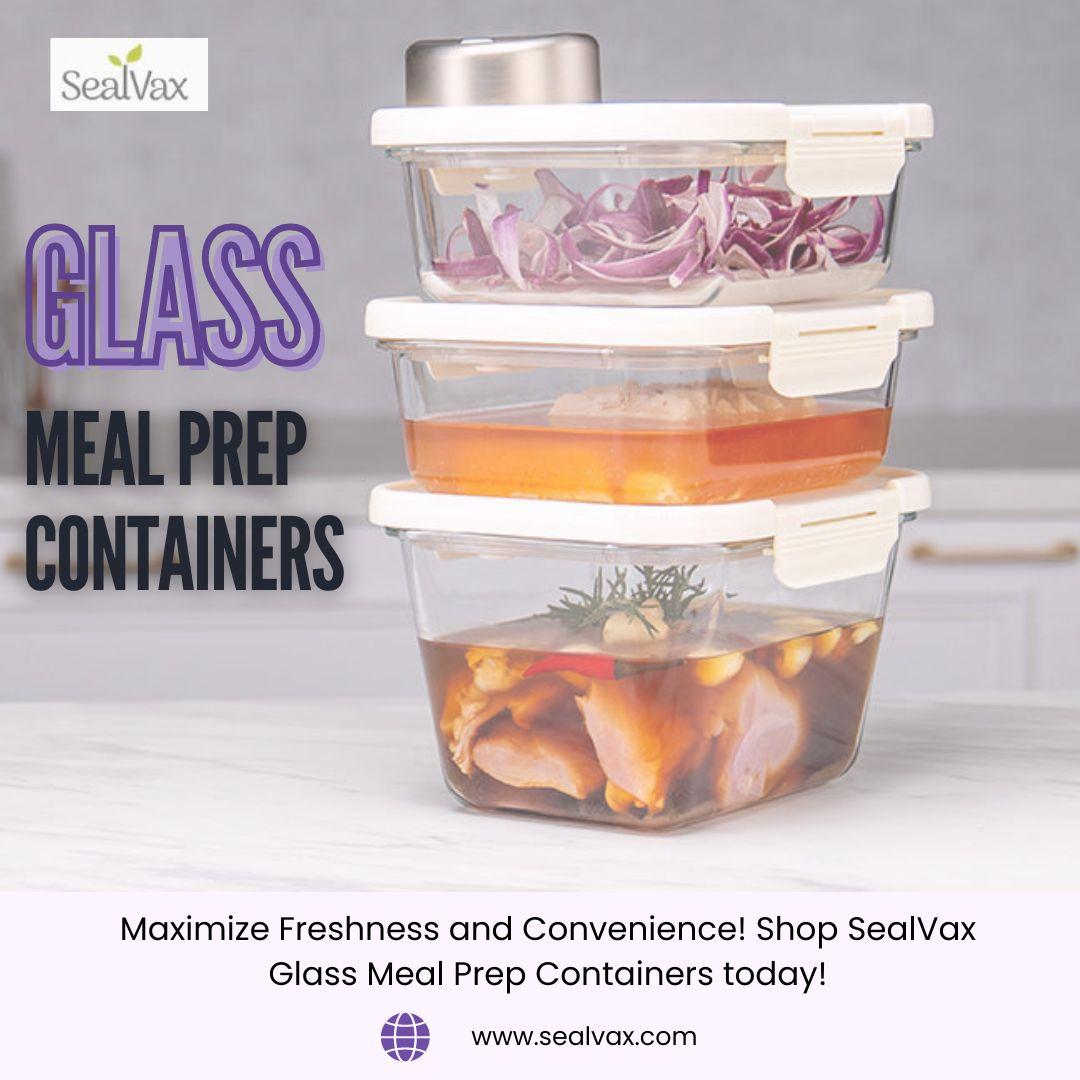
Master the Art of Portion Control with Practical Tips
Achieving lasting weight loss is often about finding balance, and mastering portion control is a key component. Portion control isn’t about depriving yourself; it’s about enjoying your favorite foods in a mindful way. To help you get started, consider these practical tips:
- Use smaller plates and bowls: Trick your brain into feeling satisfied with less by downsizing your dinnerware. Smaller plates can make a standard portion look more substantial.
- Be mindful of serving sizes: Familiarize yourself with standard serving sizes by using measuring cups or a food scale. This helps in training your eye to estimate portions accurately over time.
- Listen to your body: Eat slowly and savor each bite. Pay attention to hunger and fullness cues to avoid overeating.
- Pre-portion snacks: Avoid eating straight from the bag. Instead, portion out snacks into individual servings to keep track of how much you’re consuming.
- Balance your plate: Fill half of your plate with vegetables, a quarter with lean protein, and the remaining quarter with whole grains for a balanced and satisfying meal.
Incorporating these strategies into your daily routine can lead to healthier eating habits and support your weight loss journey effectively. Remember, it’s not just about what you eat, but how much you eat that counts.

Discover How Mindful Eating Transforms Your Relationship with Food
Embracing mindful eating can significantly enhance your awareness of portion sizes, allowing you to enjoy food without overindulgence. By focusing on the present moment and savoring each bite, you develop a deeper connection with your body’s hunger and fullness cues. This approach encourages you to eat more slowly, giving your brain time to register when you’re satisfied, rather than stuffed. To get started, try incorporating the following practices into your daily routine:
- Listen to Your Body: Before reaching for that extra serving, pause and ask yourself if you’re truly hungry or simply eating out of habit.
- Use Smaller Plates: This simple trick can make portions appear larger and help prevent overeating.
- Prioritize Quality Over Quantity: Focus on nutrient-dense foods that provide satisfaction and energy, rather than empty calories.
- Engage All Your Senses: Appreciate the colors, textures, and aromas of your meals, which can enhance satisfaction and prevent the urge to overeat.
By incorporating these mindful eating techniques, you can gradually transform your relationship with food, leading to sustainable weight loss and a more balanced lifestyle.

Harness the Power of Balanced Meals for Sustainable Weight Loss
Embarking on a journey toward sustainable weight loss begins with mastering the art of portion control. By consciously managing portion sizes, you not only foster a balanced diet but also cultivate habits that support long-term health goals. Here are some effective strategies to consider:
- Use Smaller Plates and Bowls: Opt for smaller dishware to naturally reduce the amount of food you serve yourself. This simple change can significantly impact your overall caloric intake without making you feel deprived.
- Prioritize Protein and Fiber: Incorporate lean proteins and high-fiber foods into your meals to enhance satiety. These nutrients help keep you full longer, reducing the temptation to overeat.
- Mindful Eating: Slow down and savor each bite. Eating mindfully allows you to listen to your body’s hunger cues, preventing unnecessary consumption.
- Pre-portion Snacks: Instead of eating directly from the package, divide snacks into single-serving portions. This practice helps prevent mindless munching and keeps your portions in check.
Implementing these strategies with consistency can transform your approach to eating, making balanced meals a cornerstone of your weight loss success. Remember, it’s not about deprivation, but about making informed and satisfying choices that align with your wellness objectives.

Implement These Proven Strategies to Avoid Overeating
Mastering the art of portion control is pivotal for sustainable weight loss, and it’s easier than you might think. Start by using smaller plates and bowls to naturally limit your serving sizes. This simple trick plays on visual cues, making your brain think you’re consuming more than you actually are. Another effective strategy is to fill half of your plate with vegetables, which are high in fiber and low in calories, keeping you full longer without overindulging. Remember to serve meals directly from the stove rather than family-style at the table, reducing the temptation to reach for seconds.
Adopt mindful eating practices to help control portions and reduce the risk of overeating. Eat slowly and savor each bite, paying attention to the flavors and textures of your food. This allows your body the time it needs to recognize fullness cues. Consider these practical tips:
- Avoid distractions: Keep away from screens while eating to focus solely on your meal.
- Drink water: Start each meal with a glass of water to aid digestion and curb appetite.
- Pre-portion snacks: Divide snacks into small containers instead of eating directly from the package.
These adjustments can make a significant impact on your journey to lasting weight loss, helping you maintain control over your eating habits without feeling deprived.

