
Achieving weight loss goals often feels like navigating a complex maze of dietary choices, where balance is the key to unlocking success. At the heart of this journey lies the art of balancing carbohydrates, proteins, and fats—three essential macronutrients that fuel our bodies and influence our weight. Understanding how to harmonize these elements not only enhances your diet but also accelerates your path to a healthier, more vibrant self. In this guide, we will demystify the science of macronutrient balance, providing you with practical strategies and expert insights to help you make informed decisions. Whether you’re a seasoned dieter or just beginning your weight loss journey, mastering the equilibrium of carbs, protein, and fat is your gateway to sustainable and effective weight management.
Understanding Macronutrient Ratios for Effective Weight Loss
When embarking on a weight loss journey, understanding the role of macronutrients—carbohydrates, proteins, and fats—is crucial. Each plays a unique part in energy production, muscle maintenance, and overall health. To optimize your diet for weight loss, it’s important to balance these nutrients effectively. Here’s a breakdown of how to approach this:
- Carbohydrates: Opt for complex carbs like whole grains, fruits, and vegetables. These provide sustained energy and are rich in fiber, which helps in keeping you full longer. Aim for about 45-65% of your daily caloric intake to come from carbs, focusing on quality over quantity.
- Protein: Essential for muscle repair and growth, proteins can boost metabolism and reduce appetite. Include lean sources such as chicken, fish, legumes, and plant-based options. Strive for 10-35% of your daily calories from protein, adjusting based on your activity level and personal goals.
- Fats: While fats are calorie-dense, they are vital for hormone production and nutrient absorption. Prioritize healthy fats like avocados, nuts, and olive oil. Keep your fat intake to about 20-35% of your total daily calories, ensuring you choose unsaturated fats over trans fats and saturated fats.
Balancing these macronutrients not only supports weight loss but also fosters a more sustainable and health-conscious lifestyle. Remember, the key is in the quality and the right proportion of each nutrient tailored to your individual needs.

Crafting the Perfect Meal Plan with Balanced Nutrients
Achieving a harmonious blend of carbs, protein, and fat is essential for weight loss success. Start by understanding that carbohydrates should make up a substantial portion of your energy intake, but choosing the right type is key. Opt for complex carbs like whole grains, fruits, and vegetables that provide sustained energy and keep you full longer. When planning meals, consider including:
- Whole-grain bread or pasta
- Quinoa or brown rice
- Sweet potatoes or legumes
Proteins play a crucial role in repairing tissues and building muscle, which boosts your metabolism. Aim to incorporate lean protein sources into each meal. These could be:
- Grilled chicken or turkey
- Fish such as salmon or tuna
- Plant-based options like tofu or lentils
Don’t forget about fats, which are necessary for absorbing vitamins and maintaining cell health. Focus on healthy fats that support weight loss, such as:
- Avocado or nuts
- Olive oil or coconut oil
- Fatty fish like mackerel
By ensuring each meal is a balanced mix of these macronutrients, you can support your weight loss goals while nourishing your body effectively. Adjust portion sizes based on your specific needs and activity levels to maintain the perfect nutritional balance.
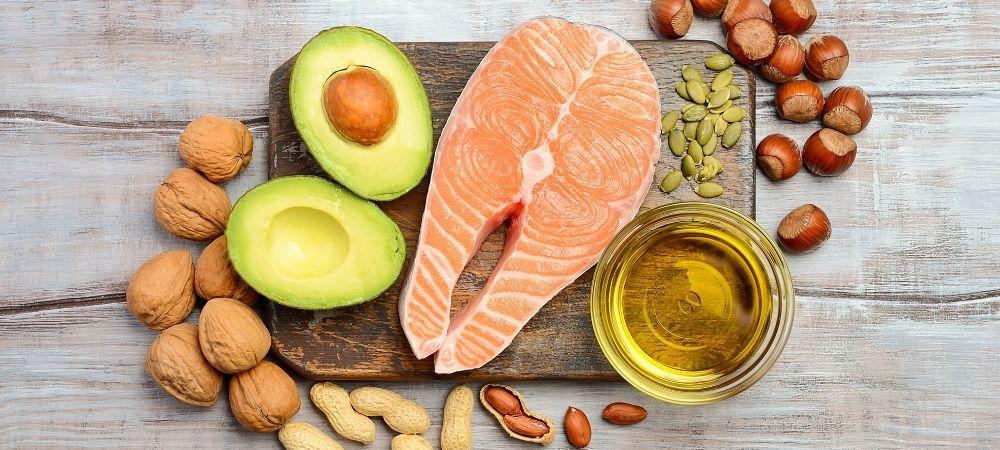
Incorporating Healthy Fats Without Sabotaging Your Goals
Incorporating healthy fats into your diet can be a game-changer for weight loss without derailing your progress. These fats are not only essential for absorbing vitamins but also help in keeping you satiated, which means fewer cravings and snacking. Here are some ways to include them wisely:
- Opt for whole foods: Choose sources like avocados, nuts, and seeds. These foods are packed with fiber, which complements the fat content by helping you feel full longer.
- Embrace cooking oils wisely: Use olive oil or coconut oil for cooking instead of butter or lard. They provide a dose of healthy fats without the unhealthy saturated fats that can hinder your weight loss goals.
- Balance your portions: While healthy fats are beneficial, they are also calorie-dense. Measure your portions to avoid overconsumption, ensuring you stick to your calorie target.
Remember, the key is moderation. By making mindful choices and balancing your intake, you can enjoy the benefits of healthy fats without compromising your weight loss journey.

Optimizing Protein Intake to Boost Metabolism and Preserve Muscle
When aiming to shed pounds while maintaining muscle, it’s essential to focus on the quality and timing of your protein intake. Protein not only aids in muscle preservation but also enhances metabolic rate, which can significantly contribute to weight loss. Choose lean protein sources such as chicken, turkey, fish, and plant-based options like beans and lentils. These not only provide essential amino acids but also keep your calorie count in check.
Incorporate protein into every meal and snack to keep your metabolism active and support muscle recovery. Consider the following strategies:
- Post-workout recovery: Consume a protein-rich snack or meal within 30 minutes after exercising to repair and build muscle tissue.
- Breakfast boost: Start your day with a high-protein breakfast to increase satiety and reduce cravings later in the day.
- Evening intake: Include protein in your dinner to help repair muscles overnight and maintain a steady metabolic rate.
Balancing your macronutrients effectively can help you achieve a leaner physique while keeping your energy levels high and your metabolism humming.

