
Creating a diet plan that truly works for you is an empowering journey towards better health and well-being. In a world inundated with one-size-fits-all solutions and fleeting diet trends, it’s crucial to develop a personalized approach that aligns with your unique lifestyle, preferences, and nutritional needs. This guide will walk you through the essential steps to craft a diet plan that not only supports your health goals but is also sustainable and enjoyable. With a confident understanding of your body’s requirements and a strategic approach to meal planning, you’ll be equipped to make informed choices that foster long-term success and vitality. Let’s embark on this transformative path to discovering a diet plan that is tailor-made just for you.
Understanding Your Nutritional Needs
To create a personalized diet plan, it’s crucial to first grasp what your body truly needs. Nutritional requirements can vary widely based on factors such as age, gender, activity level, and health goals. Start by assessing your daily caloric needs and macronutrient ratios. Consider using online calculators or consulting with a nutritionist to establish a baseline. Remember, a balanced diet typically includes:
- Carbohydrates: Opt for complex carbs like whole grains and vegetables to provide sustained energy.
- Proteins: Include a variety of protein sources such as lean meats, fish, beans, and nuts to support muscle repair and growth.
- Fats: Don’t shy away from healthy fats found in avocados, olive oil, and seeds; they are essential for brain health and hormone production.
- Vitamins and Minerals: Ensure your meals are rich in fruits and vegetables to meet your micronutrient needs.
Beyond the basic nutrients, consider any specific dietary restrictions or preferences you might have. Whether it’s a gluten-free, vegetarian, or keto lifestyle, tailor your plan to accommodate these aspects without compromising on nutritional value. Listen to your body and adjust your plan as needed to ensure it remains effective and enjoyable.

Choosing the Right Foods for Your Goals
Identifying the right foods to align with your objectives is crucial in crafting a diet plan that truly works. Whether you’re aiming to lose weight, build muscle, or simply maintain a healthy lifestyle, the key lies in selecting foods that are tailored to your specific goals. Prioritize whole foods such as fruits, vegetables, lean proteins, and whole grains, as they provide essential nutrients and keep you feeling satisfied. Consider the following guidelines:
- For Weight Loss: Focus on low-calorie, nutrient-dense options like leafy greens, berries, and lean meats.
- For Muscle Gain: Incorporate protein-rich foods such as chicken, fish, eggs, and legumes.
- For General Health: Balance your plate with a variety of colors and textures to ensure a wide range of nutrients.
Additionally, be mindful of portion sizes and meal timing, as these can significantly impact your progress. Remember, the right foods are not just about calorie counting but about nourishing your body to achieve your desired outcomes.
Creating a Balanced Meal Plan
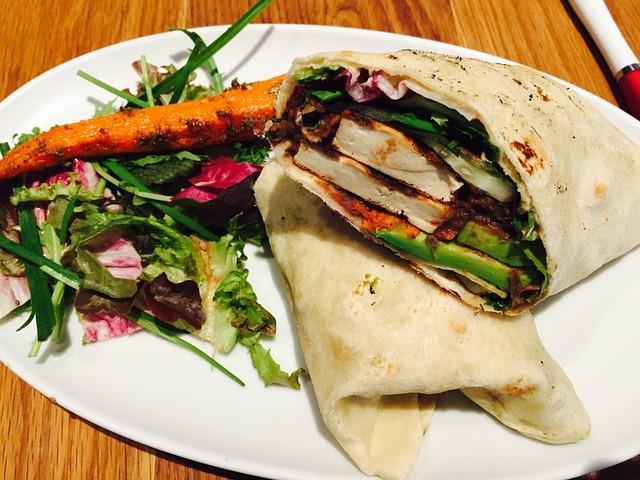
Crafting a meal plan that truly supports your lifestyle involves striking the right balance between nutrients, flavors, and your personal preferences. Begin by focusing on variety to ensure you’re getting a wide range of nutrients. Incorporate foods from all major food groups: proteins, carbohydrates, fats, vitamins, and minerals. This approach not only keeps your meals interesting but also helps in maintaining optimal health.
- Proteins: Choose lean meats, poultry, fish, beans, or tofu.
- Carbohydrates: Opt for whole grains like quinoa, brown rice, and oats.
- Fats: Include healthy fats from avocados, nuts, and olive oil.
- Vitamins & Minerals: Load up on colorful vegetables and fruits.
Remember, portion control is crucial. Even the healthiest foods can contribute to weight gain if consumed in large quantities. Use smaller plates, measure your portions, and listen to your body’s hunger cues. A balanced meal plan should be sustainable and enjoyable, allowing room for occasional indulgences without guilt. Tailor it to fit your specific goals and lifestyle, and don’t be afraid to adjust as your needs change over time.

Monitoring Progress and Making Adjustments
As you embark on your journey to healthier eating, it’s crucial to keep a close eye on your progress and be ready to tweak your diet plan as necessary. Start by setting up a simple tracking system. This could be a journal, an app, or even a spreadsheet where you can note your daily meals, snacks, and any observations about how you feel. Regularly review this data to spot patterns or areas where you might be struggling. Ask yourself questions like: Are there certain times of day when cravings hit? Do you feel more energized or sluggish after specific meals?
Once you’ve gathered enough information, it’s time to make informed adjustments. Consider these strategies:
- Add Variety: If you notice you’re getting bored with your meals, introduce new recipes or ingredients.
- Portion Control: Adjust serving sizes if you’re not seeing the desired weight changes.
- Nutrient Balance: Ensure you’re getting a balanced mix of proteins, carbs, and fats. If you feel fatigued, you might need more protein or healthy fats.
- Hydration Check: Sometimes what feels like hunger is actually thirst. Increase your water intake if needed.
Remember, the key to a successful diet plan is flexibility and responsiveness. By staying attentive to your body’s signals and making thoughtful adjustments, you’ll be better equipped to maintain a sustainable and effective eating plan.

