
Achieving lasting fat loss is a goal that many aspire to but often find challenging to attain. The key to success lies not in fleeting diets or extreme measures, but in crafting a well-structured meal plan that is both sustainable and effective. In this article, we will guide you through the essential steps to build a meal plan tailored to your lifestyle and nutritional needs, empowering you to make informed choices that foster long-term results. With a confident approach and clear strategies, you’ll learn how to balance macronutrients, manage portion sizes, and incorporate a variety of foods that support your journey toward a healthier, leaner you. Let’s embark on this transformative path, where science meets practical application, to unlock the secrets of lasting fat loss.
Understanding Macronutrients for Optimal Fat Loss
To achieve lasting fat loss, it’s essential to understand the role of macronutrients—proteins, carbohydrates, and fats—in your diet. Each macronutrient plays a unique role in maintaining energy levels, preserving muscle mass, and promoting satiety. Proteins are crucial for muscle repair and growth, helping to maintain lean body mass during a calorie deficit. Incorporate lean sources like chicken, fish, and legumes into your meals. Carbohydrates provide the energy needed for workouts and daily activities; opt for complex carbs such as whole grains, vegetables, and fruits to sustain energy levels. Fats are vital for hormone production and nutrient absorption; include healthy fats like avocados, nuts, and olive oil to support overall health.
- Protein: Aim for 1.2-2.2 grams per kilogram of body weight.
- Carbohydrates: Choose complex sources and adjust intake based on activity level.
- Fats: Focus on unsaturated fats and limit saturated fats.
Balancing these macronutrients in the right proportions tailored to your individual needs can enhance fat loss while preserving muscle and energy levels. By carefully selecting nutrient-dense foods and adjusting your intake as your activity level changes, you can build a meal plan that not only supports fat loss but also promotes overall well-being.

Creating a Balanced Meal Schedule that Supports Metabolism
Crafting a meal schedule that enhances metabolism involves more than just choosing the right foods; it’s about timing and balance. To optimize your metabolism, consider incorporating a mix of macronutrients and strategic eating intervals. Start your day with a protein-rich breakfast to kickstart your metabolism and provide sustained energy. Options like Greek yogurt with nuts or a veggie omelet can set a positive tone for the day.
Throughout the day, aim to eat every 3-4 hours to maintain energy levels and prevent metabolic slowdowns. Here are some key elements to include in your meal schedule:
- Balanced Macros: Ensure each meal contains a balance of protein, healthy fats, and complex carbohydrates.
- Hydration: Drink water consistently to aid digestion and support metabolic processes.
- Portion Control: Focus on portion sizes to avoid overeating, which can hinder metabolic efficiency.
- Snack Wisely: Choose nutrient-dense snacks like nuts, seeds, or fruit to keep energy levels stable.
By structuring your meals in this manner, you’ll not only support your metabolism but also create a sustainable path toward lasting fat loss.
Incorporating Variety to Prevent Diet Fatigue
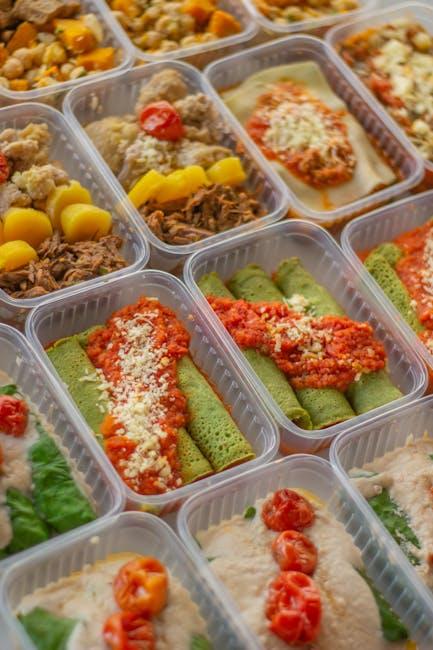
Maintaining enthusiasm in your dietary journey can often be a challenge, especially when meals become monotonous. To combat this, embrace variety as a cornerstone of your meal planning strategy. Diversifying your meals not only keeps your taste buds excited but also ensures you receive a broad spectrum of nutrients. Here’s how you can effortlessly incorporate variety into your diet:
- Rotate Protein Sources: Mix up your proteins by alternating between lean meats, fish, plant-based options like tofu or legumes, and eggs. This not only prevents boredom but also supplies different amino acids and nutrients.
- Explore Global Cuisines: Each week, experiment with a dish from a different culture. Whether it’s a Mexican-inspired quinoa bowl or an Indian lentil curry, these culinary adventures can introduce you to new flavors and cooking techniques.
- Seasonal Produce: Choose fruits and vegetables that are in season. Not only are they fresher and more flavorful, but they also offer a rotating array of nutrients.
- Spice It Up: A well-stocked spice cabinet can transform a simple dish into something extraordinary. Try adding cumin to roasted vegetables or a sprinkle of smoked paprika on your grilled chicken for a burst of flavor.
By consciously adding variety to your meals, you make the journey to fat loss both enjoyable and sustainable, reducing the risk of diet fatigue.
Monitoring Progress and Adjusting Your Plan for Continued Success
As you embark on your journey to lasting fat loss, it’s crucial to regularly evaluate your progress and make necessary adjustments to your meal plan. This process ensures that your plan remains effective and aligned with your evolving goals. Start by setting specific, measurable milestones that allow you to track your achievements over time. Whether it’s a weekly weigh-in or a monthly body measurement check, these benchmarks will help you identify trends and make informed decisions. Pay attention to how your body responds to the current meal plan—are you feeling more energetic, or are you experiencing fatigue? Such indicators can be pivotal in understanding what works for you.
Here are a few strategies to consider when fine-tuning your plan:
- Assess Nutrient Intake: Ensure that your meals are balanced, providing adequate protein, healthy fats, and carbohydrates. If you notice a lack of energy, consider adjusting these macronutrient ratios.
- Listen to Your Body: Be attentive to hunger cues and satiety signals. If you’re consistently hungry, you might need to increase portion sizes or add more nutrient-dense foods.
- Evaluate Lifestyle Changes: Consider any changes in your daily routine, such as increased physical activity or stress levels, which may require dietary adjustments.
- Stay Flexible: Be open to experimenting with new recipes or food groups to keep your meal plan enjoyable and sustainable.
By consistently monitoring your progress and being willing to make strategic adjustments, you create a dynamic meal plan that supports your long-term fat loss goals while adapting to your unique needs and lifestyle.

