
Embarking on a journey towards sustainable fat loss can often feel overwhelming, but with the right approach to managing workout intensity, it becomes not only achievable but also enjoyable. Understanding how to balance effort and recovery is crucial in maximizing results and maintaining motivation over the long term. This article will guide you through the most effective strategies to tailor your workouts for optimal fat loss, ensuring that your fitness routine becomes a rewarding part of your lifestyle. By focusing on personalized intensity levels, you can unlock the potential of your workouts, transforming them into powerful tools for sustainable change. Let’s explore how you can harness the power of exercise to achieve lasting results, all while keeping your enthusiasm and energy high.
Understanding Your Bodys Signals for Optimal Workout Intensity
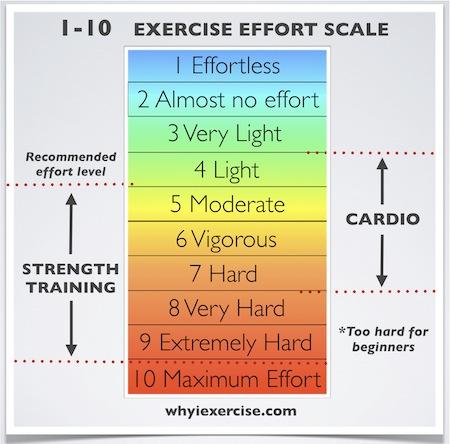
Listening to your body’s signals is crucial for managing workout intensity effectively. The journey to sustainable fat loss is not about pushing yourself to the brink of exhaustion, but rather finding a balance that allows your body to adapt and thrive. Here are some key signals to pay attention to:
- Breathing Patterns: Notice how your breath changes during exercise. A slight increase in breathing rate is normal, but if you’re gasping for air, it might be time to dial it back.
- Muscle Fatigue: Mild soreness is expected, especially when trying new exercises. However, persistent pain or excessive fatigue may indicate overtraining.
- Heart Rate: Monitoring your heart rate can provide insights into your workout intensity. Aim for a range that feels challenging yet sustainable, avoiding peaks that leave you feeling dizzy or nauseous.
- Mood and Energy Levels: After a workout, you should feel energized, not depleted. If you’re constantly feeling drained, it may be a sign to reassess your intensity.
By staying attuned to these signals, you can adjust your workouts to better suit your body’s needs, paving the way for a more sustainable and effective fat loss journey. Embrace the process, and let your body guide you to success!
Balancing Cardio and Strength Training for Long-Term Fat Loss
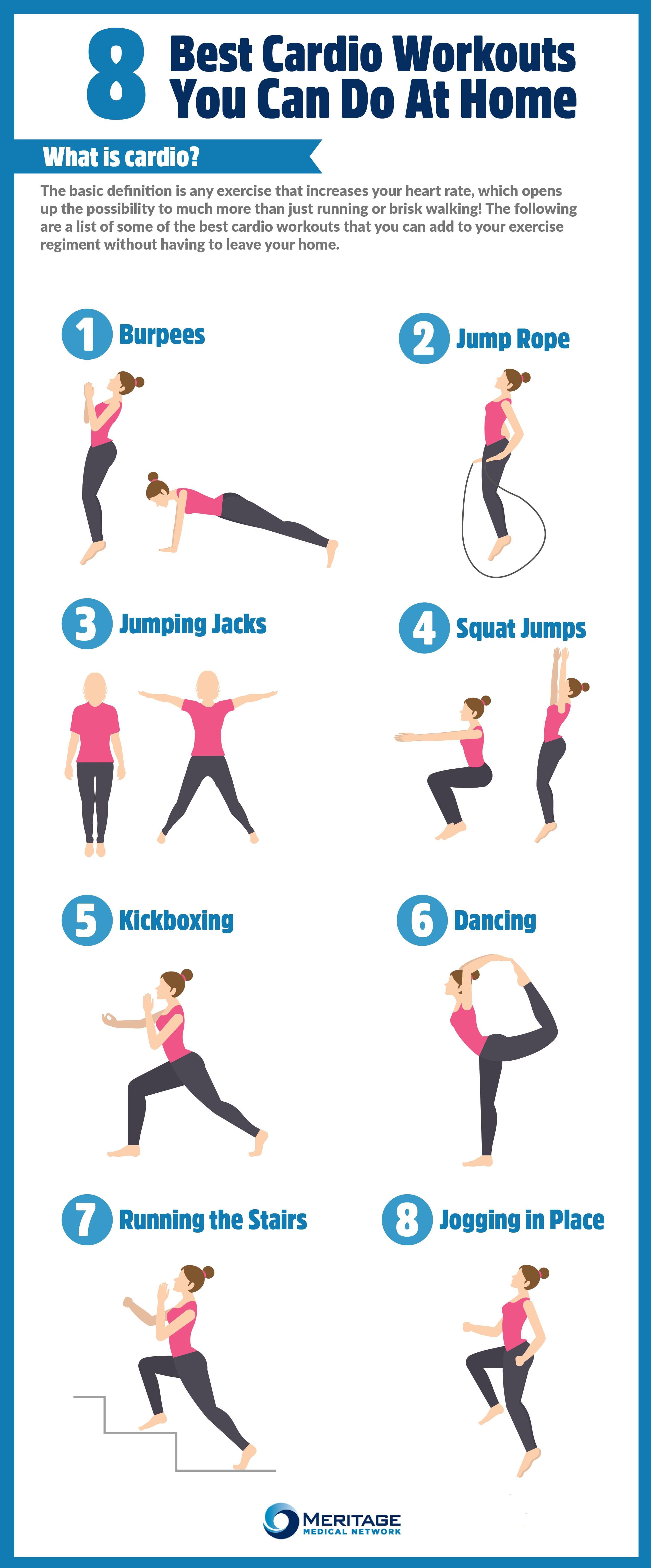
When aiming for long-term fat loss, it’s crucial to strike the right balance between cardio and strength training. Each plays a distinct role in transforming your body and boosting metabolism. Cardio workouts are excellent for burning calories and improving cardiovascular health, while strength training helps build lean muscle, which in turn increases your resting metabolic rate. To manage workout intensity effectively, consider these strategies:
- Mix It Up: Alternate between high-intensity interval training (HIIT) and steady-state cardio to keep your body guessing and prevent plateaus.
- Progressive Overload: Gradually increase the weights or resistance you use during strength training to continuously challenge your muscles and promote growth.
- Recovery Matters: Incorporate active recovery days with light activities such as yoga or walking to allow your body to heal and reduce the risk of injury.
- Listen to Your Body: Pay attention to how your body responds to different workouts and adjust the intensity accordingly to avoid burnout.
By thoughtfully combining cardio and strength training, you can create a dynamic workout routine that supports sustainable fat loss while enhancing overall fitness. Embrace the journey and enjoy the diverse benefits each type of exercise offers.
Harnessing the Power of Interval Training to Maximize Results
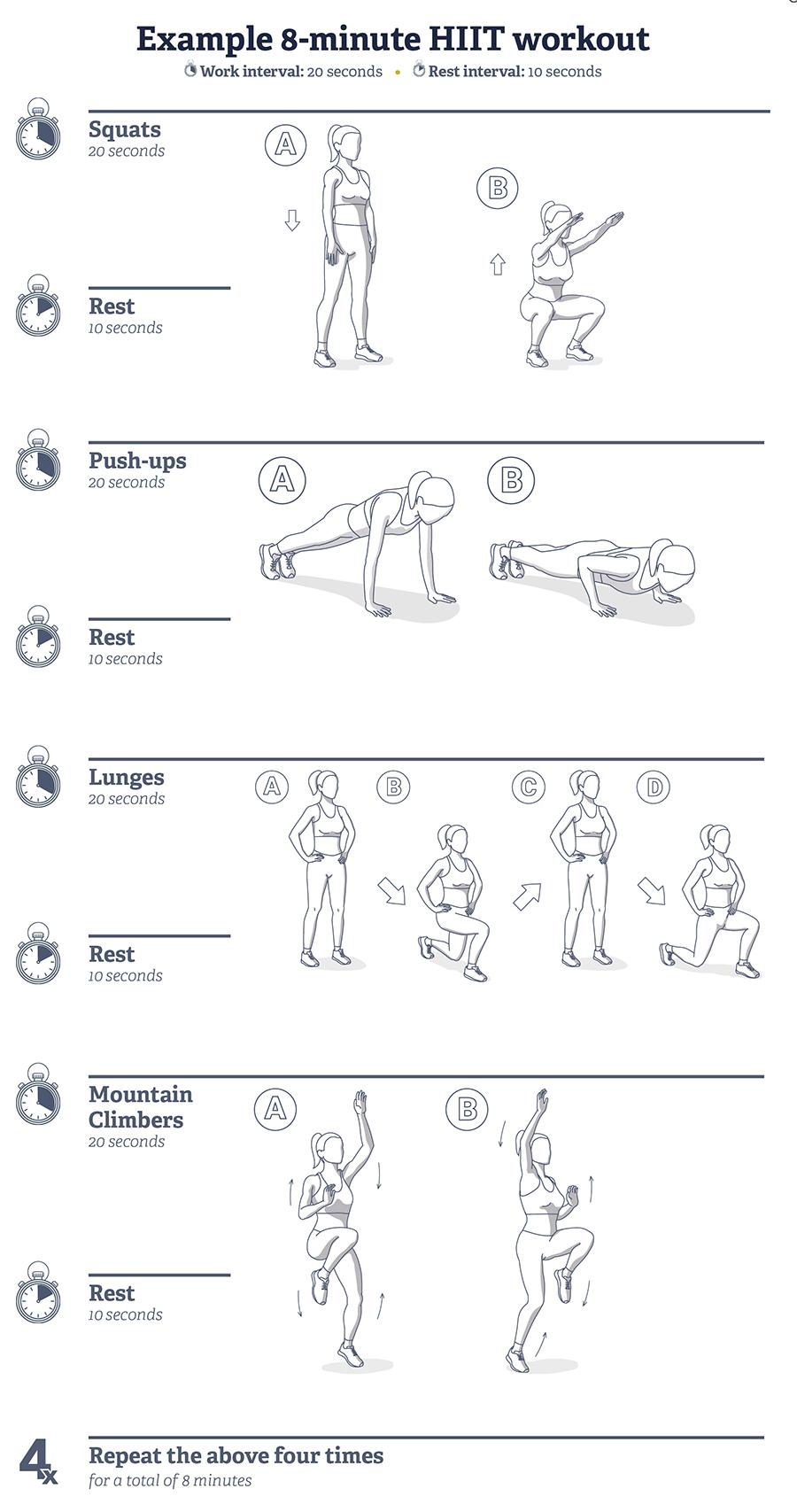
To effectively manage workout intensity and achieve sustainable fat loss, consider incorporating interval training into your fitness routine. This method allows you to alternate between periods of high and low intensity, which can help maintain a high metabolic rate even after your workout ends. Here are some tips to make the most of your interval training:
- Start Small: If you’re new to interval training, begin with shorter intervals, such as 20 seconds of high intensity followed by 40 seconds of rest. Gradually increase the duration and intensity as your fitness level improves.
- Mix It Up: Keep your body guessing by varying the types of exercises and intervals. This not only prevents boredom but also ensures different muscle groups are engaged, leading to more comprehensive fitness gains.
- Listen to Your Body: While pushing your limits is part of interval training, it’s crucial to pay attention to your body’s signals. If you feel overly fatigued or experience pain, allow for adequate recovery time to prevent injury.
By harnessing the strategic bursts of energy that interval training provides, you can effectively manage your workout intensity and embark on a sustainable path to fat loss. Stay committed, be patient, and watch as your efforts translate into visible results.
Nutritional Strategies to Support Your Workout Intensity and Fat Loss Goals
Optimizing your nutritional intake is crucial to support both your workout intensity and fat loss goals. Start by ensuring you consume adequate protein to aid muscle recovery and growth. Incorporate lean sources such as chicken, fish, or plant-based options like tofu and lentils. Carbohydrates are your friend, especially before a workout. Choose complex carbs like oats, quinoa, and sweet potatoes to fuel your sessions and sustain energy levels. Healthy fats are essential too; include sources like avocados, nuts, and olive oil to support hormonal balance and overall health.
- Stay Hydrated: Dehydration can decrease performance and increase the risk of injury. Aim for at least 8-10 glasses of water daily.
- Timing is Key: Consume a balanced meal 2-3 hours before your workout, and a light snack if needed, 30 minutes prior.
- Post-Workout Nutrition: Replenish glycogen stores and repair muscles with a combination of protein and carbs within 30-60 minutes after exercising.

