
In the journey towards achieving weight loss, self-discipline emerges as a cornerstone for success. While many embark on this path with enthusiasm and determination, the challenge often lies not in the initial motivation but in maintaining consistent habits over time. This article delves into the intricacies of developing self-discipline, exploring how it can be harnessed to support sustainable weight loss. By analyzing the psychological and behavioral factors that influence our daily choices, we aim to provide a compassionate guide for those seeking to transform their lives. Understanding that each individual’s journey is unique, we will explore tailored strategies that address common obstacles, empower personal growth, and foster a supportive environment. Through an empathetic lens, this article seeks to equip readers with the tools needed to cultivate self-discipline, ultimately paving the way for a healthier and more fulfilling lifestyle.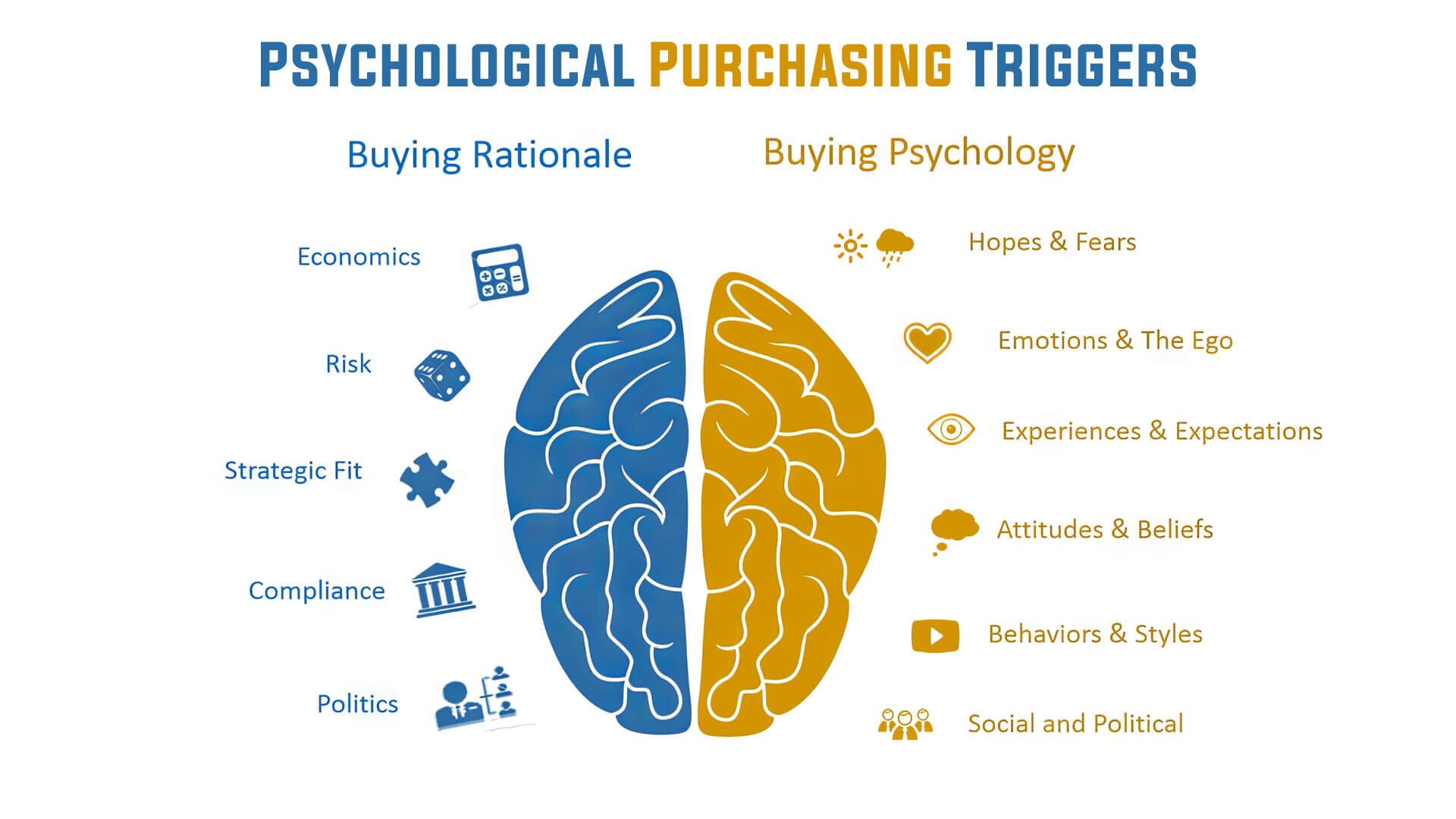
Understanding the Emotional Triggers Behind Eating Habits
Understanding the emotional triggers that influence eating habits is crucial for developing self-discipline in weight loss. Many individuals find themselves reaching for food not out of hunger, but as a response to emotional cues such as stress, boredom, or sadness. Recognizing these triggers is the first step toward change. It’s important to ask yourself, “Why am I eating right now?” before each meal or snack. This moment of reflection can help you differentiate between physical hunger and emotional cravings.
Identifying your emotional triggers can be a transformative process. Consider keeping a journal to document instances where you felt compelled to eat due to emotions. Over time, you may notice patterns that reveal the underlying feelings driving your eating habits. Here are some common emotional triggers:
- Stress: Many people use food as a comfort mechanism during stressful times.
- Boredom: Eating can become a way to fill the void when there’s nothing else to do.
- Loneliness: Food can sometimes act as a substitute for social interaction.
- Celebration: Using food as a reward can reinforce the habit of eating for pleasure rather than nourishment.
By acknowledging these triggers, you can develop healthier coping mechanisms and build a more disciplined approach to eating, ultimately supporting your weight loss journey.
Building a Personalized Routine for Consistent Progress
Creating a routine that aligns with your personal goals and lifestyle is crucial for achieving weight loss success. It’s about finding a balance that works for you and encourages consistent progress without feeling overwhelmed. Start by identifying your priorities and understanding what motivates you. This could be anything from feeling more energetic, fitting into a favorite pair of jeans, or improving overall health. Once you have clarity, break down your larger goals into smaller, actionable steps. Consider incorporating a mix of activities that you enjoy, ensuring that your routine remains engaging and sustainable over time.
To build a personalized routine, consider these key elements:
- Consistency over intensity: It’s more effective to exercise regularly at a moderate pace than to push yourself too hard occasionally.
- Flexibility: Allow room for adjustments. Life is unpredictable, and your routine should adapt to changes without derailing your progress.
- Variety: Mix different types of exercises and meal plans to prevent boredom and plateaus.
- Rest and recovery: Incorporate rest days to allow your body to heal and recharge, preventing burnout.
By embracing these principles, you can craft a routine that not only fosters self-discipline but also supports a healthier, more balanced lifestyle. Remember, it’s about making gradual, sustainable changes that lead to lasting results.

Incorporating Mindfulness Techniques to Enhance Self-Control
Embracing mindfulness can be a transformative step in enhancing your self-discipline for weight loss. By cultivating awareness of your thoughts and emotions, you can develop a more profound understanding of your eating habits and triggers. Start by incorporating simple mindfulness techniques into your daily routine. These practices will not only help you make conscious choices but also empower you to maintain control in moments of temptation.
- Mindful Eating: Focus on the sensory experience of eating. Pay attention to the texture, flavor, and aroma of your food. This practice helps in recognizing satiety signals, preventing overeating.
- Breathing Exercises: Implement deep breathing techniques to calm the mind. This can be particularly helpful when you feel the urge to eat out of stress or boredom.
- Daily Meditation: Set aside a few minutes each day for meditation. This can enhance your awareness and help you identify emotional triggers that lead to unhealthy eating patterns.
By integrating these mindfulness techniques, you will likely find a more balanced approach to food and a stronger sense of self-control. Remember, the journey to self-discipline is a gradual process, and every mindful step you take brings you closer to your weight loss goals.

Celebrating Small Victories to Sustain Motivation
In the journey of weight loss, acknowledging and celebrating small achievements can be a powerful motivator. When you set out on this path, it’s easy to focus solely on the end goal, often overlooking the smaller milestones that signify progress. Recognizing these victories—whether it’s choosing a salad over fries or hitting a new personal best in your workout—can reinforce positive behaviors and build momentum. By consciously celebrating these moments, you create a cycle of positivity and motivation that can help sustain your discipline over time.
Consider the benefits of setting up a system to regularly acknowledge your progress. This could include:
- Keeping a journal to note daily or weekly successes, no matter how minor they may seem.
- Rewarding yourself with non-food related treats, such as a new book or a relaxing bath.
- Sharing your achievements with a supportive community, which can provide encouragement and accountability.
By appreciating these small victories, you not only boost your confidence but also solidify the habits that lead to long-term success.

