
In the journey towards achieving and maintaining a healthy weight, motivation often emerges as a critical yet elusive element. Many individuals find themselves caught in a cycle of enthusiasm and frustration, initially spurred by a burst of determination, only to encounter dwindling motivation as challenges arise. This article delves into the complexities of building long-term motivation for weight loss, acknowledging the emotional and psychological hurdles that accompany this pursuit. By analyzing various strategies, we aim to provide a comprehensive guide that empowers individuals to cultivate a sustainable mindset, fostering resilience and perseverance. Through an empathetic lens, we will explore the interplay of intrinsic and extrinsic motivators, the role of self-compassion, and the importance of setting realistic goals, offering insights that not only address the physical aspects of weight loss but also nurture the emotional well-being essential for enduring success.
Understanding the Psychological Barriers to Sustained Motivation
One of the most significant challenges in maintaining motivation for weight loss is overcoming the psychological barriers that often stand in our way. These barriers can manifest as self-doubt, fear of failure, or even the overwhelming pressure of societal expectations. Understanding these barriers is crucial to developing effective strategies for long-term motivation. Often, individuals find themselves trapped in a cycle of negative self-talk, which can erode confidence and create a mental block against progress. It’s essential to recognize that these barriers are not insurmountable; they are merely part of the journey that many face.
To effectively navigate these psychological hurdles, consider adopting the following approaches:
- Self-awareness: Regularly reflect on your thoughts and emotions to identify any negative patterns that may hinder your motivation.
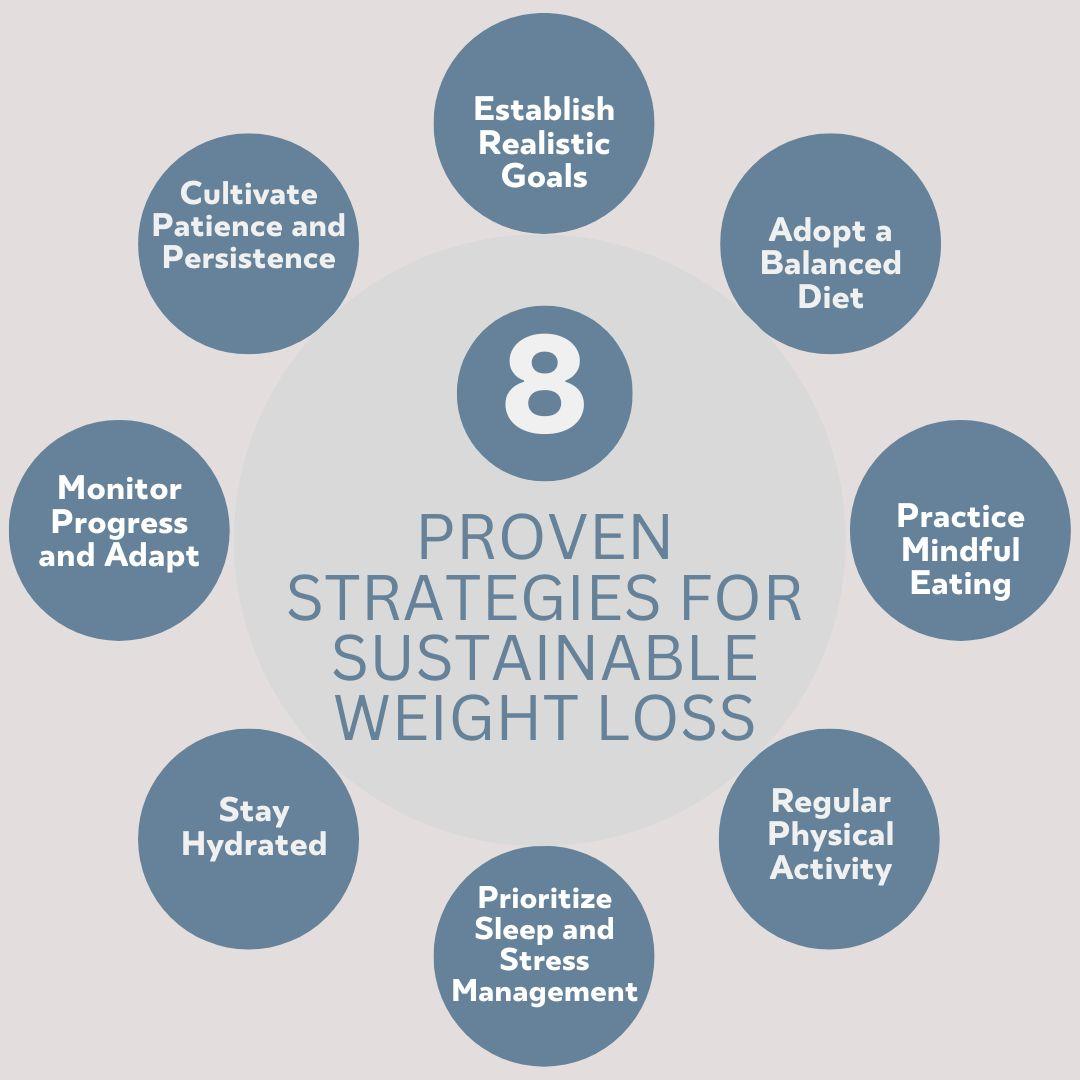
- Set realistic goals: Break down your weight loss journey into manageable milestones to prevent feeling overwhelmed.
- Positive reinforcement: Celebrate small victories to boost your confidence and maintain a positive outlook.
- Community support: Engage with others who share similar goals to foster a sense of camaraderie and mutual encouragement.
By addressing these psychological barriers with empathy and understanding, you can cultivate a mindset that supports sustained motivation, paving the way for successful weight loss and overall well-being.

Cultivating a Supportive Environment for Long-Term Success
Creating an environment that nurtures long-term motivation for weight loss is crucial for sustained success. Begin by surrounding yourself with individuals who are supportive of your goals. This could mean joining a community group, engaging with online forums, or simply sharing your journey with friends and family who understand your aspirations. Supportive networks not only provide encouragement but also hold you accountable, ensuring you remain committed to your objectives.
Additionally, make your physical environment work in your favor. Stock your kitchen with healthy foods and remove temptations that could derail your progress. Organize your living space to encourage movement, such as setting up a home workout area or keeping exercise equipment within easy reach. Incorporating these changes creates a daily routine that naturally integrates healthier choices, fostering a mindset conducive to sustainable habits. Moreover, celebrate small victories and set achievable milestones to maintain momentum, ensuring that your journey remains both rewarding and enjoyable.
Incorporating Mindful Practices to Enhance Commitment
Integrating mindful practices into your daily routine can significantly bolster your dedication to a weight loss journey. By cultivating an awareness of your thoughts, emotions, and physical sensations, you can create a more conscious connection to your goals. Mindfulness encourages present-moment awareness, which can help you recognize patterns of behavior that may be hindering your progress. This self-awareness is crucial for identifying triggers and developing strategies to address them constructively.
- Practice mindful eating: Slow down and savor each bite, paying attention to flavors and textures. This not only enhances the eating experience but also helps in recognizing fullness cues, preventing overeating.
- Engage in regular meditation: Even a few minutes a day can reduce stress, which is often a significant barrier to maintaining healthy habits. Stress reduction can lead to improved decision-making and greater emotional regulation.
- Incorporate mindful movement: Whether through yoga, tai chi, or simply walking, connecting with your body through mindful movement can increase physical awareness and appreciation, reinforcing positive body image and self-compassion.
By embedding these mindful practices into your weight loss strategy, you not only enhance your commitment but also foster a holistic approach to well-being that supports sustainable, long-term motivation.

Developing Personalized Goals for Meaningful Progress
To truly foster long-term motivation for weight loss, it is essential to establish goals that resonate on a personal level. Begin by identifying your intrinsic motivations—those deeper reasons that drive you beyond the surface desire to shed pounds. Ask yourself what losing weight will enable you to do, how it will enhance your life, or the emotions you associate with achieving your target. These insights help in crafting goals that not only align with your values but also anchor your commitment during challenging times.
Consider the following strategies to shape personalized goals:
- Reflect on Past Experiences: Analyze previous attempts at weight loss. What worked? What didn’t? Use these insights to tailor a plan that plays to your strengths.
- Set SMART Goals: Ensure your objectives are Specific, Measurable, Achievable, Relevant, and Time-bound. This structure provides clarity and focus.
- Visualize Success: Regularly imagine the positive outcomes of achieving your goals. Visualization can enhance motivation and keep you oriented towards success.
- Adjust as Needed: Be flexible and ready to revise your goals as you progress. Life changes, and so can your objectives.

