
In the quest for effective fat loss strategies, the low carb diet has emerged as a prominent contender, capturing the attention of both fitness enthusiasts and medical professionals alike. This dietary approach, characterized by a significant reduction in carbohydrate intake, aims to shift the body’s metabolism from relying on glucose to utilizing stored fat as its primary energy source. With its potential to enhance weight loss, improve metabolic health, and reduce the risk of chronic diseases, the low carb diet warrants a closer examination. In this article, we will delve into the mechanisms by which a low carb diet facilitates fat loss, explore the scientific evidence supporting its efficacy, and provide practical guidelines for those seeking to harness its benefits. By understanding the underlying principles and adopting informed strategies, individuals can confidently embark on a transformative journey toward achieving their fat loss goals.
Understanding the Science Behind Low Carb Diets
Low carb diets work by shifting the body’s metabolism from burning glucose as its primary energy source to utilizing stored fat. This metabolic shift, known as ketosis, occurs when carbohydrate intake is significantly reduced, leading the liver to convert fats into ketones, which are then used for energy. Research has shown that this process can be particularly effective for fat loss, as it not only reduces appetite but also increases the body’s ability to burn fat. By lowering insulin levels, low carb diets help the body access and use fat stores more efficiently.
- Appetite Suppression: Low carb diets often lead to a natural reduction in appetite, making it easier to consume fewer calories without feeling deprived.
- Increased Fat Oxidation: By minimizing carbohydrate intake, the body becomes more adept at burning fat for fuel, which can accelerate weight loss.
- Insulin Regulation: With fewer carbs, insulin levels drop, promoting the release of stored fat and preventing further fat accumulation.
Understanding these mechanisms can empower individuals to make informed dietary choices, optimizing their approach to fat loss. By focusing on nutrient-dense, low-carb foods, one can not only achieve their weight loss goals but also enhance overall metabolic health.
Identifying Low Carb Foods for Optimal Fat Loss
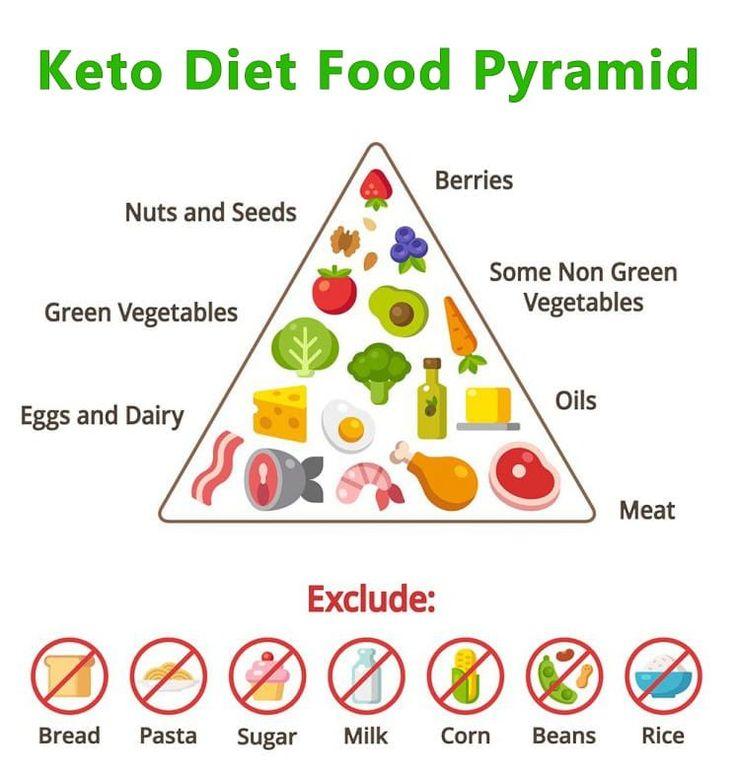
When it comes to trimming down on carbs for effective fat loss, choosing the right foods is crucial. Focus on foods that are not only low in carbohydrates but also rich in nutrients to support your overall health. Here are some top picks:
- Leafy Greens: Spinach, kale, and Swiss chard are excellent choices. They are low in carbs and high in fiber, vitamins, and minerals.
- Non-Starchy Vegetables: Broccoli, cauliflower, and zucchini are versatile options that can be incorporated into various meals without spiking your carb intake.
- Healthy Fats: Avocados, nuts, and seeds provide essential fatty acids while keeping carbs to a minimum.
- Lean Proteins: Opt for chicken, turkey, and fish to help maintain muscle mass during fat loss.
Remember, the key is to focus on whole, unprocessed foods that keep you satiated while minimizing your carbohydrate intake. This strategic approach not only aids in fat loss but also promotes a sustainable, healthy lifestyle.

Crafting a Balanced Low Carb Meal Plan
Designing a low carb meal plan that supports fat loss requires a strategic balance of macronutrients and nutrient-dense foods. Prioritize lean proteins such as chicken, turkey, and tofu, which help maintain muscle mass and enhance satiety. Healthy fats like avocado, olive oil, and nuts should be included to provide essential fatty acids and flavor. Incorporate a variety of low-carb vegetables—think spinach, broccoli, and zucchini—to supply vitamins, minerals, and fiber, all crucial for maintaining energy levels and digestive health.
- Choose whole foods over processed alternatives to maximize nutritional value.
- Include fiber-rich foods to promote satiety and gut health.
- Stay hydrated with water or unsweetened beverages to support metabolism.
- Be mindful of portion sizes to avoid overconsumption, even of low-carb foods.
Utilize meal prepping as a tool to ensure consistency and convenience, reducing the temptation to deviate from your plan. Remember, the goal is to create a sustainable approach that aligns with your lifestyle while effectively promoting fat loss.
Monitoring Progress and Adjusting Your Low Carb Approach
Achieving fat loss through a low carb diet is a dynamic process that requires ongoing assessment and adaptation. It’s essential to track your progress meticulously to ensure that your efforts are translating into results. Start by keeping a detailed food journal, documenting everything you consume, including portion sizes and macronutrient breakdowns. This will help you identify patterns and adjust your carb intake accordingly. Utilize tools like apps or spreadsheets to track your daily carb consumption, weight, and measurements.
As you progress, be prepared to make informed adjustments. If you hit a plateau or notice that your energy levels are fluctuating, consider the following strategies:
- Reassess your carb intake: Are you consuming more carbs than you realize? Tighten up your tracking for more accuracy.
- Experiment with meal timing: Shifting your carb intake to earlier in the day or around workouts might enhance energy and fat loss.
- Evaluate your protein and fat intake: Ensure you’re getting enough protein to preserve muscle mass and sufficient healthy fats to stay satiated.
- Monitor non-scale victories: Pay attention to changes in clothing fit, energy levels, and overall wellbeing, not just the number on the scale.
By staying vigilant and responsive to your body’s signals, you can fine-tune your low carb approach to optimize fat loss and maintain long-term success.

