
In the ever-evolving landscape of weight loss strategies, carb cycling has emerged as a compelling method that promises to enhance results by strategically manipulating carbohydrate intake. This dietary approach, which alternates between high and low carbohydrate days, aims to optimize metabolic flexibility, support muscle preservation, and accelerate fat loss. By understanding the underlying mechanisms and scientific principles of carb cycling, individuals can tailor their nutritional plans to better align with their personal fitness goals. In this article, we will delve into the analytical framework of carb cycling, examining its potential benefits, the science behind its efficacy, and practical guidelines for implementation. With a confident stride, we aim to equip you with the knowledge needed to harness the power of carb cycling, transforming your weight loss journey into a more effective and sustainable endeavor.
Understanding the Science Behind Carb Cycling
Carb cycling is a dietary strategy that alternates between high and low carbohydrate intake, designed to optimize the body’s metabolism and enhance weight loss. This method leverages the body’s natural insulin response to carbohydrates, aiming to balance energy levels and maximize fat burning. On high-carb days, the body refuels glycogen stores, which are essential for maintaining energy during intense workouts. In contrast, low-carb days encourage the body to switch to fat as its primary energy source, potentially accelerating weight loss. The science behind carb cycling hinges on its ability to manipulate insulin levels, a hormone pivotal in fat storage and muscle growth. By strategically planning carbohydrate intake, individuals can potentially enhance their metabolic rate and improve body composition.
- High-Carb Days: Increase in glycogen stores, enhancing workout performance and recovery.
- Low-Carb Days: Encourages the body to utilize fat for energy, supporting fat loss.
- Insulin Sensitivity: Improved through alternating carb intake, helping in better nutrient partitioning.
Understanding the hormonal and metabolic shifts that occur during carb cycling is crucial. By aligning carbohydrate intake with physical activity levels, individuals can better control their body’s insulin response. This method is not just about reducing or increasing carbs but strategically timing their consumption to coincide with exercise and rest days. This approach may lead to enhanced muscle retention, reduced fat mass, and improved overall metabolic health.
Implementing Carb Cycling in Your Daily Routine
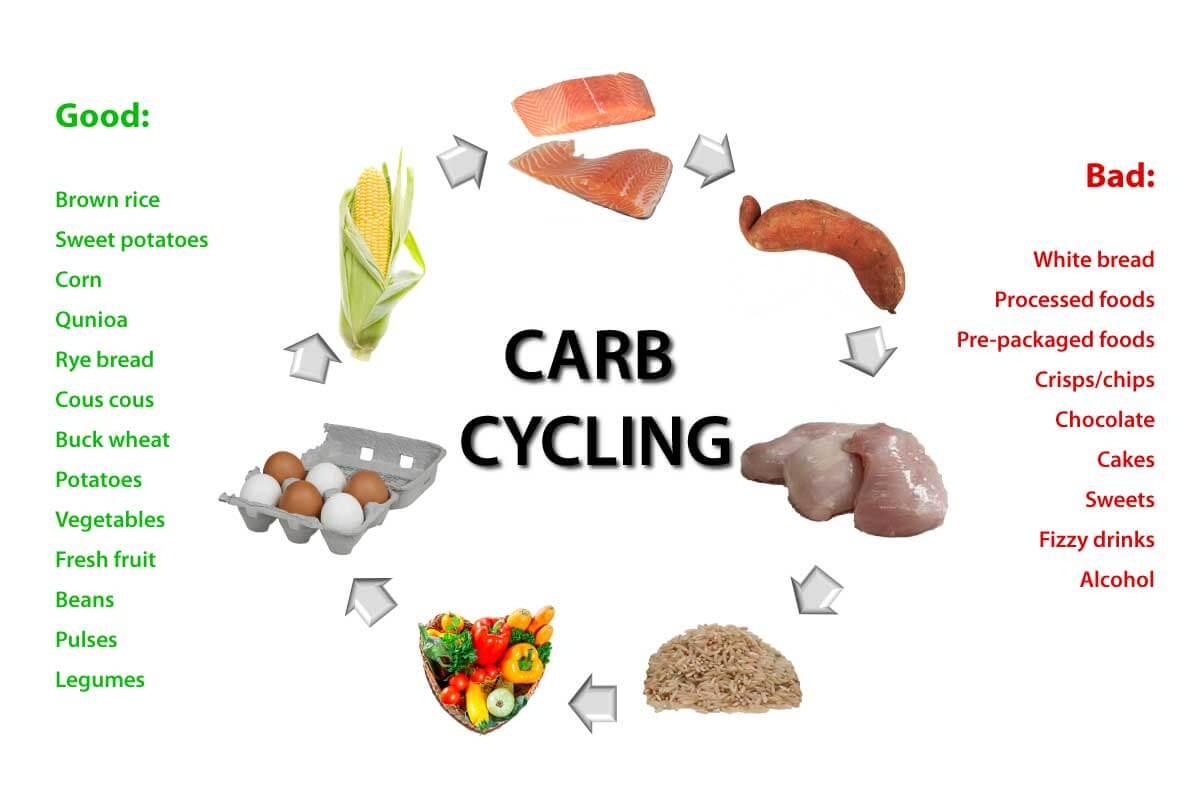
To seamlessly incorporate carb cycling into your daily regimen, start by planning your week around high-carb and low-carb days. This strategic alternation is designed to align with your workout schedule, optimizing energy levels and fat burning. On high-carb days, aim to consume complex carbohydrates such as quinoa, brown rice, and sweet potatoes. These foods provide sustained energy, which is particularly beneficial on days involving intense training. Conversely, low-carb days should focus on increasing your intake of lean proteins and healthy fats, such as chicken breast, salmon, avocados, and nuts, to promote fat loss and muscle recovery.
Consider the following tips to maximize the effectiveness of carb cycling:
- Track your macronutrients: Utilize apps or food diaries to monitor your carb intake, ensuring you’re hitting your target ratios.
- Stay hydrated: Water plays a crucial role in metabolic processes, so aim for at least 8-10 glasses a day.
- Listen to your body: Adjust your carb cycling schedule based on energy levels and weight loss progress.
- Be consistent: Like any dietary change, the benefits of carb cycling are best realized through consistent application over time.
Tailoring Carb Cycling to Your Fitness Goals
Carb cycling isn’t a one-size-fits-all approach; it’s a dynamic strategy that can be customized to align with your unique fitness aspirations. Whether your primary goal is shedding pounds or enhancing athletic performance, the key lies in adjusting the cycle of carbohydrate intake to match your body’s energy demands. For those focusing on weight loss, consider implementing a low-carb phase on rest days, allowing your body to tap into stored fat for energy. On the other hand, high-carb days should coincide with intense workout sessions to replenish glycogen stores and fuel your muscles effectively.
- Low-Carb Days: Focus on lean proteins, healthy fats, and fibrous vegetables.
- High-Carb Days: Incorporate whole grains, fruits, and starchy vegetables.
Understanding your body’s response to different carb levels is crucial. By tracking your energy levels, performance, and weight fluctuations, you can refine your carb cycling plan to better suit your needs. Additionally, it’s essential to consider factors like age, metabolic rate, and activity level when tailoring this strategy. By doing so, you’ll be well on your way to harnessing the power of carb cycling to reach your fitness milestones with precision and efficiency.

Monitoring Progress and Adjusting Your Carb Cycling Plan
To ensure that your carb cycling strategy is effective, it’s essential to continually evaluate your progress and make necessary adjustments. Start by keeping a detailed log of your meals, workouts, and any changes in weight or body composition. This data will provide insights into how your body responds to different carb intake levels. Consider using apps or tools that sync with your fitness devices for more accurate tracking.
- Regularly assess your energy levels: If you find yourself feeling sluggish on low-carb days, you might need to adjust your carb intake to better match your activity level.
- Monitor your weight and measurements: If you’re not seeing the desired weight loss results, it may be time to tweak your plan by adjusting the carb ratios or frequency of high-carb days.
- Listen to your body’s signals: Pay attention to how your body reacts, and be flexible enough to adapt your plan to fit your individual needs.
By being proactive and responsive to the data you collect, you can fine-tune your carb cycling plan to optimize weight loss and enhance your overall health.

