
In the pursuit of optimal health and fitness, understanding the composition of your body is paramount. While weight is often the most common metric used to gauge progress, it is an incomplete measure that fails to account for the intricate balance between body fat and muscle mass. Accurately tracking these components can provide deeper insights into your physical condition, guiding you towards more informed decisions in your fitness journey. This article aims to equip you with authoritative knowledge and practical methods to effectively monitor your body fat and muscle mass. By mastering these techniques, you can fine-tune your training regimen and dietary choices, ensuring they align with your personal health goals and ultimately lead to a more balanced and healthy physique.
Understanding Body Composition and Its Importance
Grasping the intricacies of body composition is crucial for anyone serious about health and fitness. At its core, body composition refers to the percentage of fat, bone, water, and muscle in the human body. Understanding these components helps in crafting a balanced approach to fitness and nutrition. Knowing your body composition allows for more personalized health strategies and can be a more accurate health indicator than just weight alone. Tracking body fat and muscle mass provides insights into your overall health and can guide your exercise and dietary decisions.
- Body Fat: Essential for regulating body temperature, cushioning organs, and storing vitamins, but excess body fat can lead to health issues.
- Muscle Mass: Crucial for metabolism, strength, and endurance. Higher muscle mass increases calorie burning even at rest.
To effectively monitor these metrics, utilize tools such as bioelectrical impedance scales or skinfold calipers. Professional assessments like DEXA scans provide comprehensive data but can be costlier. Regularly tracking changes in your body composition will not only help you meet your fitness goals but also enhance your understanding of your body’s needs.
Tools and Technologies for Accurate Measurement
When it comes to measuring body fat and muscle mass, the right tools and technologies can make all the difference. One of the most popular and accessible options is the bioelectrical impedance analysis (BIA), which is commonly found in many smart scales. BIA works by sending a small electrical current through the body to estimate fat-free body mass and body fat percentage. For those seeking more precision, dual-energy X-ray absorptiometry (DEXA) scans offer detailed insights by using low-level X-rays to differentiate between bone mass, fat tissue, and muscle. This method is often considered the gold standard in body composition measurement.
Beyond these, there are other methods that can be utilized based on individual needs and accessibility:
- Hydrostatic Weighing: This involves submerging the body in water to measure body density and calculate body composition.
- Air Displacement Plethysmography: Known commercially as the Bod Pod, this method measures body volume and density by assessing how much air is displaced by the individual.
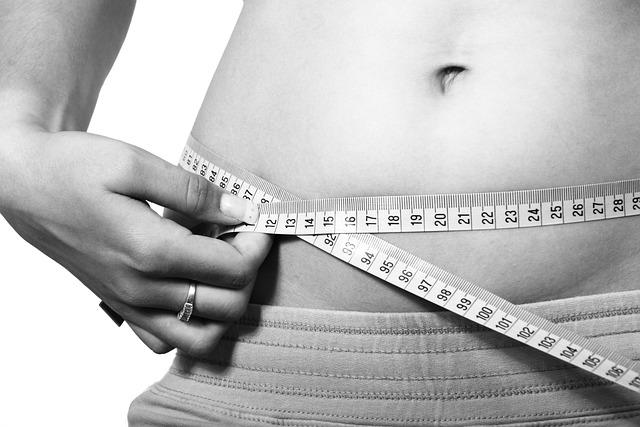
- Skinfold Calipers: A more traditional approach that estimates body fat by measuring the thickness of skinfolds at specific body sites.
Each of these tools offers unique advantages, and the choice depends on the balance between accuracy, convenience, and budget. By leveraging these technologies, individuals can gain a clearer understanding of their body composition and tailor their fitness regimes accordingly.

Interpreting Results for Effective Health Management
Understanding the numbers from your body fat and muscle mass measurements is crucial for making informed health decisions. Body fat percentage gives you insight into your body’s composition, indicating whether you have a healthy level of fat. This information can guide your dietary choices and exercise routines. On the other hand, muscle mass measurements reveal the amount of lean tissue in your body, which is essential for strength and metabolic health. By regularly monitoring these metrics, you can tailor your fitness programs to enhance muscle growth while maintaining or reducing fat levels.
- Consistency is key: Always measure at the same time of day and under similar conditions to ensure accuracy.
- Use reliable tools: Consider devices like bioelectrical impedance scales or DEXA scans for precise readings.
- Track progress: Keep a log of your results to identify trends and make necessary adjustments to your health plan.
- Consult professionals: If you’re unsure about your results, seeking advice from a healthcare provider or a fitness expert can provide clarity.
By focusing on these metrics, you can effectively manage your health and make strategic decisions that align with your wellness goals.

Personalized Strategies for Monitoring Progress
Crafting a tailored approach to monitor your body composition is crucial for achieving your fitness goals effectively. Begin by identifying the metrics that matter most to you, such as body fat percentage, muscle mass, or both. Utilize tools like smart scales or handheld devices that offer comprehensive data on these parameters. Incorporate regular check-ins into your routine to ensure consistent tracking. This could be weekly or bi-weekly, depending on your specific objectives and how closely you wish to monitor changes.
- Set Specific Goals: Define clear, measurable targets for body fat reduction or muscle gain to provide direction and motivation.
- Leverage Technology: Use fitness apps and wearables to gather data and visualize progress over time.
- Keep a Journal: Document not only the numerical data but also how you feel physically and mentally as your body changes.
- Seek Professional Insight: Consider consulting a nutritionist or personal trainer to fine-tune your strategies based on your progress.
Remember, consistency is key. Regularly revisiting and adjusting your strategies will help maintain momentum and align your efforts with your evolving fitness journey.

