
Achieving weight loss goals can often feel like navigating a complex journey without a clear roadmap. However, integrating a progress chart into your weight loss strategy can transform this daunting process into a manageable and empowering experience. A progress chart serves not only as a visual representation of your journey but also as a motivational tool that keeps you accountable and focused on your objectives. In this article, we will delve into the essential steps for effectively utilizing a progress chart to monitor and enhance your weight loss efforts. With authoritative guidance, you will learn how to set realistic targets, track key metrics, and interpret your progress with precision, ensuring that each step you take brings you closer to your ultimate health and fitness goals.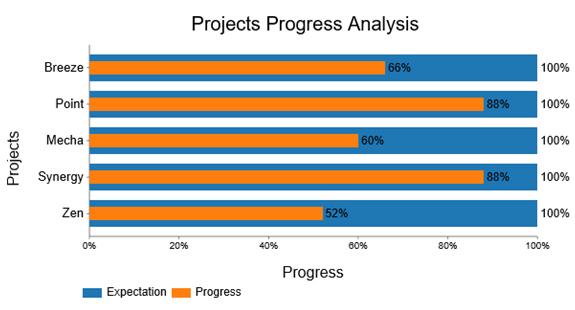
Understanding the Basics of Progress Charts for Weight Loss
Progress charts are invaluable tools in the weight loss journey, providing a clear visual representation of your achievements and areas for improvement. By tracking your progress, you can identify patterns, set realistic goals, and stay motivated. These charts often include various metrics such as weight, body measurements, and fitness levels. Understanding what each element represents and how to accurately record your data is crucial for effective tracking.
- Weight: Record your weight at consistent intervals, preferably weekly, using the same scale and at the same time of day to ensure accuracy.
- Body Measurements: Track changes in specific areas like waist, hips, and arms to gain insights beyond the scale.
- Fitness Levels: Include metrics such as endurance or strength improvements, which can provide a holistic view of your progress.
Incorporating these elements into your chart will not only keep you accountable but also help you celebrate small victories, ensuring sustained motivation on your path to achieving your weight loss goals.

Setting Realistic and Achievable Weight Loss Goals
Establishing goals that are both realistic and achievable is crucial for successful weight loss. Instead of aiming for drastic changes overnight, focus on gradual progress. Start by identifying your ideal weight and consider how long it might reasonably take to reach it. A sustainable weight loss rate is typically about 1-2 pounds per week. This allows your body to adjust without the stress of rapid change, reducing the risk of burnout or rebound weight gain.
- Assess your current lifestyle: Identify areas where you can make small changes, such as incorporating more physical activity or adjusting portion sizes.
- Set specific, measurable goals: Rather than vague resolutions, define clear targets like “walk 30 minutes daily” or “reduce sugar intake by half.”
- Track your progress: Use your progress chart to monitor achievements and setbacks, adjusting your approach as needed.
- Celebrate small victories: Acknowledge milestones like losing the first five pounds or consistently hitting your exercise targets.
Remember, each step forward is a step towards your ultimate goal. By setting a foundation of realistic expectations, you empower yourself to maintain momentum and enthusiasm throughout your weight loss journey.

Tracking Your Progress Effectively with Detailed Metrics
Achieving weight loss goals is not just about shedding pounds; it’s about understanding the journey. A progress chart is your best ally in this quest, offering a comprehensive view of your efforts. By meticulously tracking your metrics, you can gain insights into your habits and make informed decisions. Consistency is key—record your weight, measurements, and other relevant data at regular intervals to observe trends over time.
Here are some metrics you should consider tracking:
- Weight: Use a reliable scale and weigh yourself at the same time each day or week for consistency.
- Body Measurements: Track your waist, hips, chest, and other areas to see where you’re losing inches.
- Body Fat Percentage: This can provide a clearer picture of fat loss versus muscle gain.
- Caloric Intake: Keep a log of your daily calorie consumption to ensure you’re in a deficit.
- Exercise Routine: Document your workouts, including duration and intensity, to track improvements in fitness.
Utilizing these detailed metrics will not only help you stay motivated but also provide a roadmap for adjusting your plan as needed. With each data point, you’re better equipped to celebrate your victories and identify areas that require more focus.
Utilizing Data Insights to Adjust and Optimize Your Weight Loss Plan
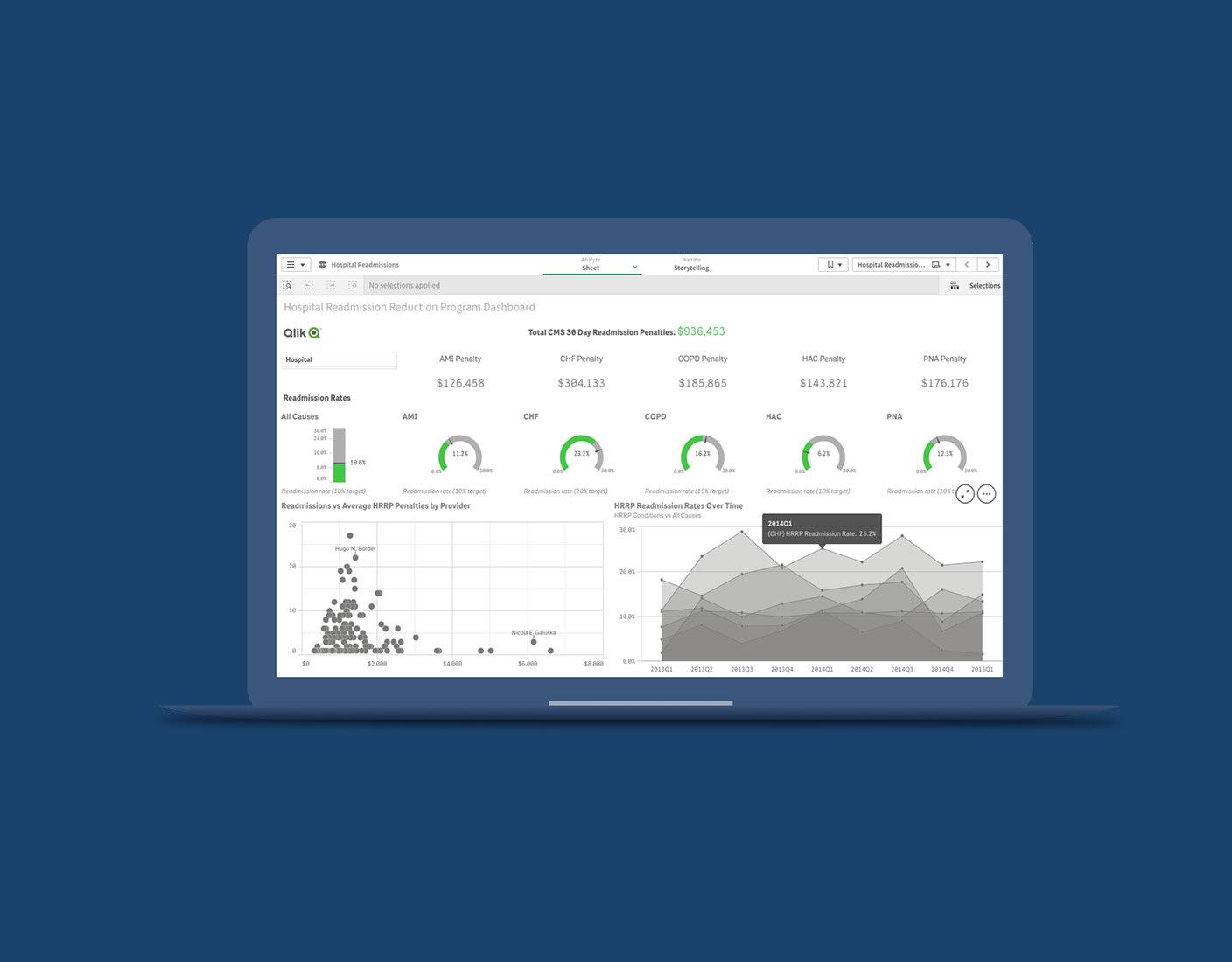
Harnessing the power of data insights can be a game-changer for your weight loss journey. A progress chart serves as a visual roadmap, offering a clear picture of your accomplishments and areas that need improvement. Here’s how you can make the most out of your chart:
- Track Consistently: Regularly update your chart with accurate data such as weight, measurements, and even mood. Consistency helps in identifying patterns and trends that might otherwise go unnoticed.
- Analyze Patterns: Look for recurring themes. Are there certain days of the week when you tend to gain or lose more? Understanding these patterns allows you to adjust your plan to optimize results.
- Set Data-Driven Goals: Use the insights gained from your chart to set realistic and achievable goals. If the data shows a plateau, it might be time to tweak your exercise routine or dietary habits.
- Celebrate Milestones: Recognize and celebrate small victories reflected in your progress chart. This not only boosts motivation but also reinforces positive behavior changes.
By utilizing these strategies, your progress chart becomes more than just numbers; it transforms into a dynamic tool for informed decision-making and ongoing optimization of your weight loss plan.

